3.2 搜索算法-广度优先搜索
广度优先搜索
1 概述
特点
- 广度优先搜索(BFS:Breadth-First Search)是一种树和图搜索策略,其将搜索限制到 2 种操作:
- 访问图中的一个节点;
- 访问该节点的邻居节点;
过程
广度优先搜索(BFS)由 Edward F. Moore 在 1950 年发表,起初被用于在迷宫中寻找最短路径。在 Prim 最小生成树算法和 Dijkstra 单源最短路径算法中,都采用了与广度优先搜索类似的思想。
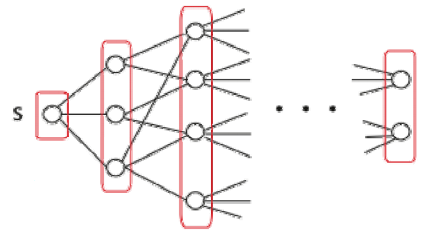
对图的广度优先搜索与对树(Tree)的广度优先遍历(Breadth First Traversal)是类似的,区别在于图中可能存在环,所以可能会遍历到已经遍历的节点。BFD 算法首先会发现和源顶点 s 距离边数为 k 的所有顶点,然后才会发现和 s 距离边数为 k+1 的其他顶点。
例子
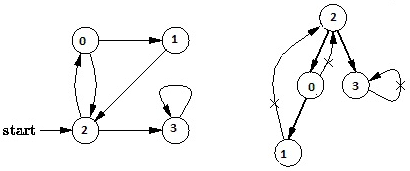
- 例如,下面的图中,从顶点 2 开始遍历,当遍历到顶点 0 时,邻接的顶点为 1 和 2,而顶点 2 已经遍历过,如果不做标记,遍历过程将陷入死循环。所以,在 BFS 的算法实现中需要对顶点是否访问过做标记。
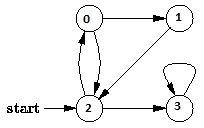
- 上图的 BFS 遍历结果为 [ 2, 0, 3, 1 ]。
实现
BFS 算法的实现通常使用队列Queue数据结构来存储遍历图中节点的中间状态,过程如下:
- 将 root 节点 Enqueue;
- Dequeue 一个节点,并检查该节点:
- 如果该节点就是要找的目标节点,则结束遍历,返回结果 “Found”;
- 否则,Enqueue 所有直接后继子节点(如果节点未被访问过);
- 如果 Queue 为空,并且图中的所有节点都被检查过,仍未找到目标节点,则结束搜索,返回结果 “Not Found”;
- 如果 Queue 不为空,重复步骤 2;
如果需要记录搜索的轨迹,可以为顶点着色。起初所有顶点为白色,随着搜索的进行变为灰色,然后变成黑色。灰色和黑色顶点都是已发现的顶点。
时间复杂度
- 广度优先搜索(BFS)的时间复杂度为 O(V+E),V 即 Vertex 顶点数量,E 即 Edge 边数量。
BFS算法伪码
1 | 1 procedure BFS(G,v) is |
BFS算法代码
1 | 1 using System; |
本博客所有文章除特别声明外,均采用 CC BY-NC-SA 4.0 许可协议。转载请注明来源 Estom的博客!
相关推荐
2023-09-09
07 有无状态服务
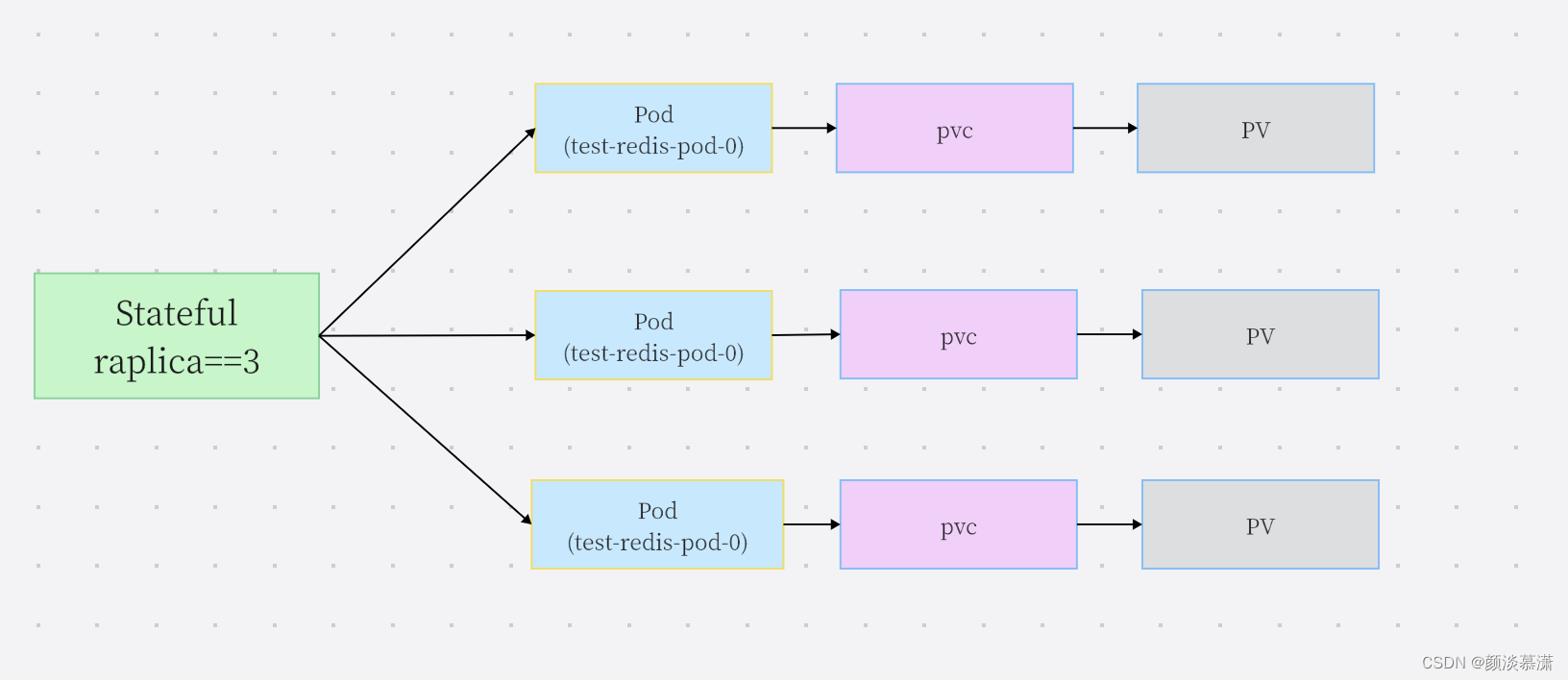
1 有无状态服务对比无状态服务 数据方面:无状态服务不会在本地存储持久化数据.多个实例可以共享相同的持久化数据 结果方面:多个服务实例对于同一个用户请求的响应结果是完全一致的 关系方面:这种多服务实例之间是没有依赖关系 影响方面:在k8s控制器 中动态启停无状态服务的pod并不会对其它的pod产生影响 示例方面:nginx实例,tomcat实例,web应用 资源方面:相关的k8s资源有:ReplicaSet、ReplicationController、Deployment 创建方式:Deployment被设计用来管理无状态服务的pod。每个pod完全一致,原因如下: 无状态服务内的多个Pod创建的顺序是没有顺序的 无状态服务内的多个Pod的名称是随机的.pod被重新启动调度后,它的名称与IP都会发生变化 无状态服务内的多个Pod背后是共享存储的 缩容方式:随机缩容。由于是无状态服务,所以这些控制器创建的pod序号都是随机值。并且在缩容也是随机,并不会明确缩容某一个pod。因为所有实例得到的返回值都是一样,所以缩容任何一个pod都可以 有状态服务 数据方面:有状态服务需要在本...
2021-03-09
网络层概念学习之一(基本概念、路由器、选路算法)
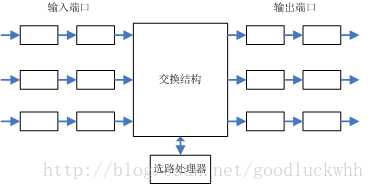
网络层建立在链路层之上,它的最主要的功能是使得网络中的各个主机之间可以互相通信。在因特网中,IP层是TCP/IP协议族中最为核心的协议,也是最复杂的层次之一。 一、概述 1.转发和选路 网络层的功能是要将分组从一个主机移动到另一个主机从而使得主机之间可以互相通信。为此需要网络层提供两种功能: 存储转发:路由器(三层交换机)将进入其某个输入链路的分组转发到其某个输出链路。它是将分组从一个输入链路移动到一个输出链路,是一个路由器的本地动作。 路由选择:在分组从一个主机流向另一个主机的过程中,网络层必须决定分组所走过的路径。计算这个路径信息的算法就是路由算法。它是一个网络范围的动作,决定分组从其源到目的应该走的路径 路由器在网络层是一个极其重要的设备,每台路由器都由一张转发表。路由器检查到达分组首部中的一个字段的值,然后利用该值在路由器的转发表中进行查询,以决定该如何转发该分组。查询的结果是分组将被转发的路由器的链路接口。 选路算法决定了转发表中的值。选路算法可能是集中式(由某个中心点执行)的也可能是分布式的(运行在各台路由器上),无论采用何种方法,路由器都要接受选路协议报文...

2020-01-05
6.1 Huffman算法
Huffman算法Huffman算法问题描述 一个字符串文件,我们希望尽可能多地压缩文件,但源文件能够很容易地被重建。 用特定的比特串表示每个字符,称为字符的编码,文件的大小取决于文件中的字符数n。我们可以使用一种定长编码,对每个字符赋予一个长度同为m (m≥log2n)的比特串。 设文件中的字符集是C={c1,c2,…, cn}, 又设f(ci), 1≤i≤n,是文件中字符ci的频度,即文件中ci出现的次数。 由于有些字符的频度可能远大于另外一些字符的频度,所以用变长的编码。 去除编码的二义性: 当编码在长度上变化时,我们规定一个字符的编码不能是另一个字符编码的前缀(即词头),这种码称为前缀码。 例如,如果我们把编码10和101赋予字符“a” 和“b”就会存在二义性,不清楚10究竟是“a” 的编码还是字符“b”的编码的前缀。 一旦满足前缀约束,编码即不具备二义性,可以扫描比特序列直到找到某个字符的编码。 算法原理 由Huffman算法构造的编码满足前缀约束,并且最小化压缩文件的大小。算法重复下面的过程直到C仅由一个字符组成: 设ci和cj是两个有最小...

2021-03-16
12 深搜与广搜
深度优先搜索与广度优先搜索 用来处理多分支结构 对于现行问题或单分支结构的问题。不适用深度搜索和广度搜索 1 深度搜索 深度优先搜索属于图算法的一种,是一个针对图和树的遍历算法,英文缩写为DFS即Depth First Search。深度优先搜索是图论中的经典算法,利用深度优先搜索算法可以产生目标图的相应拓扑排序表,利用拓扑排序表可以方便的解决很多相关的图论问题,如最大路径问题等等。一般用堆数据结构来辅助实现DFS算法。其过程简要来说是对每一个可能的分支路径深入到不能再深入为止,而且每个节点只能访问一次。 深度优先搜索与回溯剪枝这两个思想有一个非常重要的优势。它是一条路经走到黑。如果这条路径合适的话,就可以直接返回。另外。当前所有的搜索选项中,只有一条路径在工作。也就是说只需要记录当前一条路径的状态。所以解决迷宫问题的时候,不需要复杂的状态记录方法。只需要记录当前这一个分支的路径状态即可。 2 广度搜索 广度优先搜索(也称宽度优先搜索,缩写BFS,以下采用广度来描述)是连通图的一种遍历算法这一算法也是很多重要的图的算法的原型。Dijkstra单源最短路径算法和Prim最小生成...
2020-01-04
3.3 搜索算法-深度优先搜索
深度优先搜索1 概述定义 深度优先搜索(DFS:Depth-First Search)是一种图搜索策略,其将搜索限制到 2 种操作: 访问图中的一个节点; 访问该节点的子节点; 过程 在深度优先搜索中,对于最新发现的顶点,如果它还有以此为起点而未探测到的边,就沿此边继续探测下去。当顶点 v 的所有边都已被探寻过后,搜索将回溯到发现顶点 v 有起始点的那些边。这一过程一直进行到已发现从源顶点可达的所有顶点为止。实际上深度优先搜索最初的探究也是为了解决迷宫问题。 对图的深度优先搜索与对树(Tree)的深度优先遍历(Depth First Traversal)是类似的,区别在于图中可能存在环,所以可能会遍历到已经遍历的节点。 例子 例如,下面的图中,从顶点 2 开始遍历,当遍历到顶点 0 时,子顶点为 1 和 2,而顶点 2 已经遍历过,如果不做标记,遍历过程将陷入死循环。所以,在 DFS 的算法实现中需要对顶点是否访问过做标记。 上图的 DFS 遍历结果为 2, 0, 1, 3。 实现 DFS 算法可以通过不同方式来实现: 递归方式 非递归方式:栈(Stack)数据结构...
2021-03-20
11
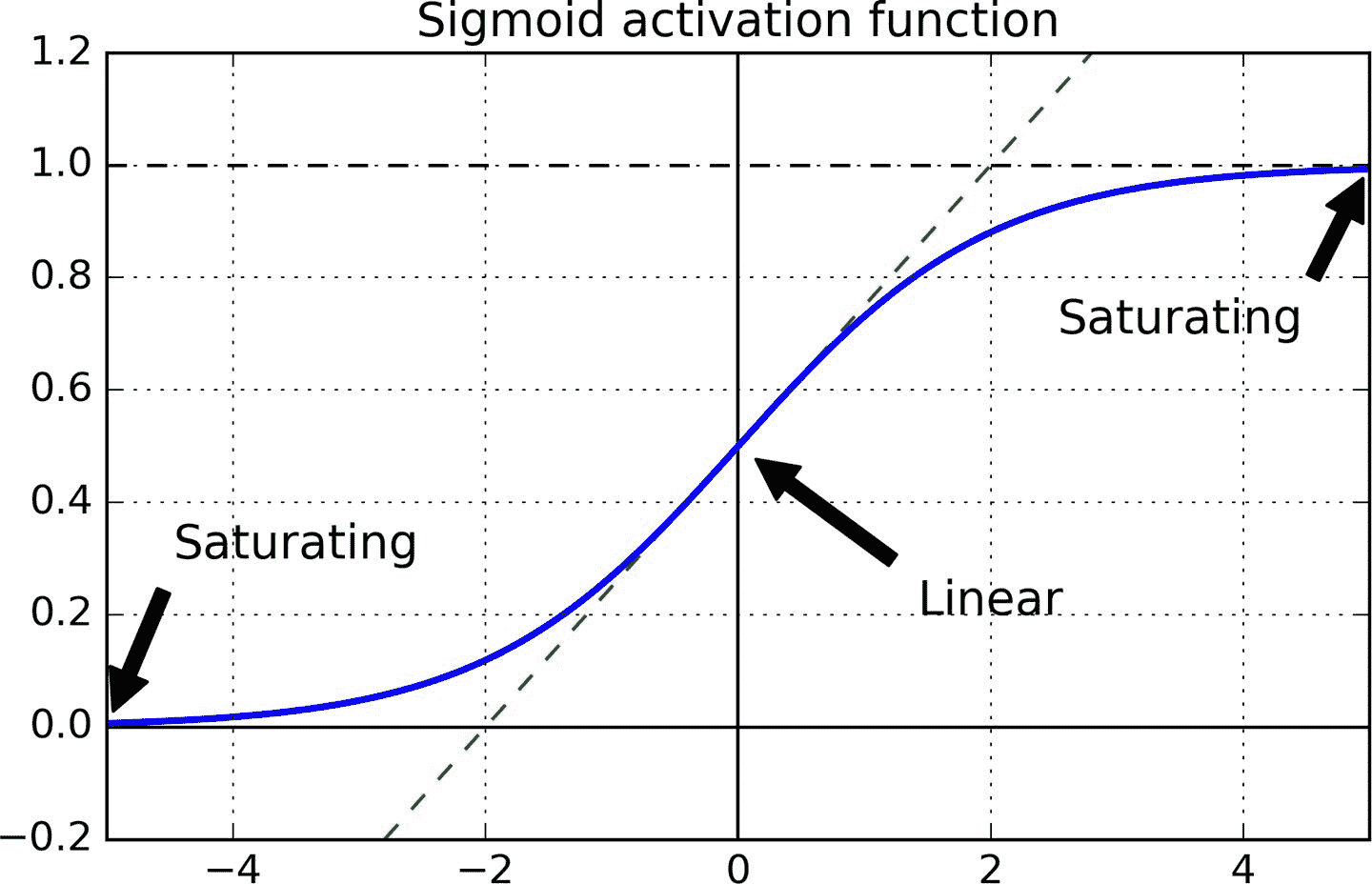
十一、训练深度神经网络 译者:@SeanCheney 第 10 章介绍了人工神经网络,并训练了第一个深度神经网络。 但它非常浅,只有两个隐藏层。 如果你需要解决非常复杂的问题,例如检测高分辨率图像中的数百种类型的对象,该怎么办? 你可能需要训练更深的 DNN,也许有 10 层或更多,每层包含数百个神经元,通过数十万个连接相连。 这可不像公园散步那么简单,可能碰到下面这些问题: 你将面临棘手的梯度消失问题(或相关的梯度爆炸问题):在反向传播过程中,梯度变得越来越小或越来越大。二者都会使较浅层难以训练; 要训练一个庞大的神经网络,但是数据量不足,或者标注成本很高; 训练可能非常慢; 具有数百万参数的模型将会有严重的过拟合训练集的风险,特别是在训练实例不多或存在噪音时。 在本章中,我们将依次讨论这些问题,并给出解决问题的方法。 我们将从梯度消失/爆炸问题开始,并探讨解决这个问题的一些最流行的解决方案。 接下来会介绍迁移学习和无监督预训练,这可以在即使标注数据不多的情况下,也能应对复杂问题。然后我们将看看各种优化器,可以加速大型模型的训练。 最后,我们将浏览一些流行的大型...