5 字符串
1 string字符串容器和泛型算法
1.1 STL顺序容器
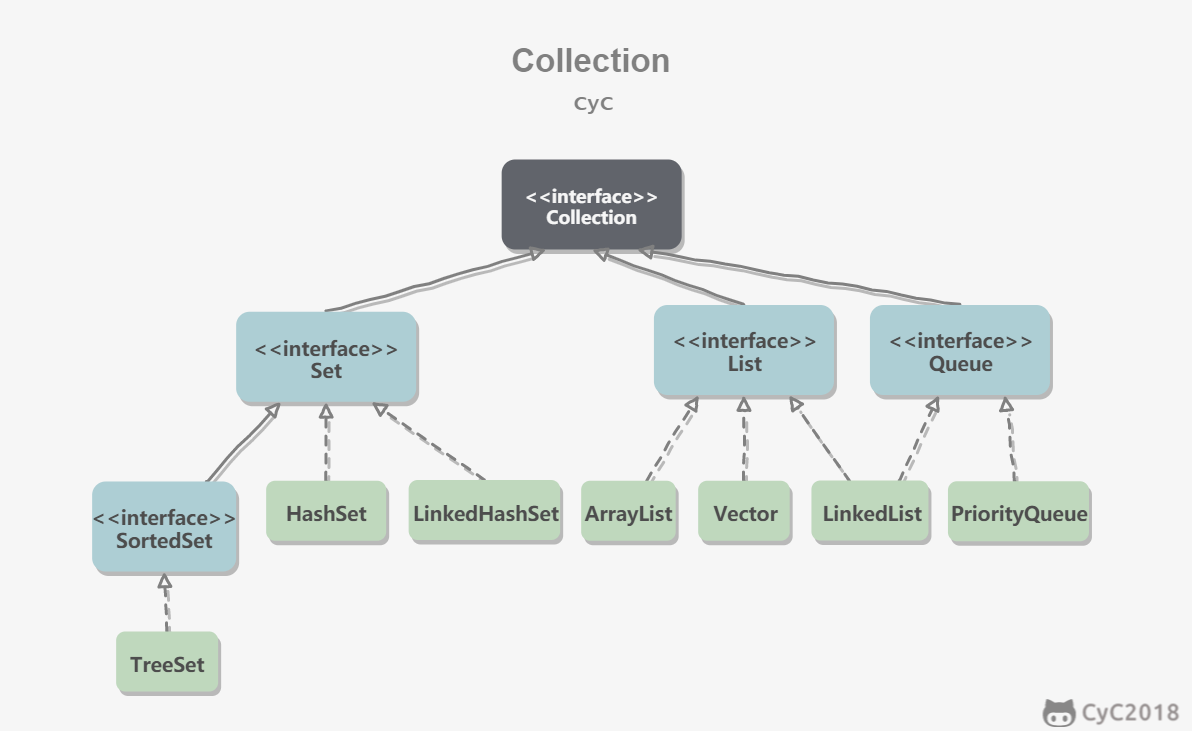
参考顺序容器部分
- 访问元素
- 也可以使用迭代器访问元素。
- at会进行安全检查抛出异常。
- []下标运算符不会进行检查。
- back(),front()
- 添加元素
- 总共有6+3=9种插入方法。insert有额外的两种范围插入方法。
- 在尾部添加元素push_back(),emplace_back()
- 在头部添加元素push_front(),emplace_front()
- 在中间添加元素insert(),emplace()
- insert方法提供了范围插入的方法。中间插入一个元素。在给定的一个迭代器之前插入一个值。中间插入多个元素。在给定的迭代器之前插入范围迭代器内的元素。
- 删除元素
- back、front、push_back、push_front、pop_back、pop_front、emplace_front、emplace_back。是一组首尾相关的插入操作。
- insert、emplace、at、erase。是一组随机的操作。
- 重构容器
- 并非该表容器内存的大小。而是改变容器范围的大小。
1.2 STL泛型算法
- string 对象也可以看作一个顺序容器,它支持随机访问迭代器,也有 begin 和 end 等成员函数。STL 中的许多算法也适用于 string 对象。下面是用 STL 算法操作 string 对象的程序示例。
1 |
|
2 string字符串操作
2.1 字符串创建
- string 类有多个构造函数,用法示例如下:
- 拷贝初始化
- 序列初始化
- 子串初始化
这三种初始化的恶魔是,在assign、find、append、replace、insert函数中,也在使用。就如同顺序容器中的初始化方法,在顺序容器的其他的操作中也是通用的。
1 | string s1(); // si = "" |
- 为称呼方便,本教程后文将从字符串下标 n 开始、长度为 m 的字符串称为“子串(n, m)”。
- string 类没有接收一个整型参数或一个字符型参数的构造函数。下面的两种写法是错误的:
1 | string s1('K'); |
2.2 字符串赋值
- 可以用 char* 类型的变量、常量,以及 char 类型的变量、常量对 string 对象进行赋值。例如:
1 | string s1; |
- string 类还有 assign 成员函数,可以用来对 string 对象赋值。assign 成员函数返回对象自身的引用。例如:
1 | string s1("12345"), s2; |
2.3 字符串交换
- swap 成员函数可以交换两个 string 对象的内容。例如:
1 | string s1("West”), s2("East"); |
2.4 字符串长度
- int length() 成员函数返回字符串的长度。
- int size() 成员函数可以实现同样的功能。
2.5 字符串比较
- 可以用 <、<=、==、!=、>=、> 运算符比较 string 对象
- compare 成员函数可用于比较字符串。compare 成员函数有以下返回值:
- 小于 0 表示当前的字符串小;
- 等于 0 表示两个字符串相等;
- 大于 0 表示另一个字符串小。
1 | string s1("hello"), s2("hello, world"); |
2.6 查找字符串(字符)
string 类有一些查找子串和字符的成员函数,它们的返回值都是子串或字符在 string 对象字符串中的位置(即下标)。
如果查不到,则返回 string::npos。string: :npos 是在 string 类中定义的一个静态常量。这些函数如下:
find:从前往后查找子串或字符出现的位置。rfind:从后往前查找子串或字符出现的位置。find_first_of:从前往后查找何处出现另一个字符串中包含的字符。find_last_of:从后往前查找何处出现另一个字符串中包含的字符。find_first_not_of:从前往后查找何处出现另一个字符串中没有包含的字符。find_last_not_of:从后往前查找何处出现另一个字符串中没有包含的字符。
所有的字符串查找方法重载了以下四种类型:pos表示开始查找的位置。n表示查找匹配的次数。返回值是整数索引。
- string (1) size_t find (const string& str, size_t pos = 0) const noexcept;
- c-string (2) size_t find (const char* s, size_t pos = 0) const;
- buffer (3) size_t find (const char* s, size_t pos, size_type n) const;
- character (4) size_t find (char c, size_t pos = 0) const noexcept;
1 |
|
2.7 字符串拼接
- +和+=运算符对string 对象执行字符串的连接操作
- append 成员函数,可以用来向字符串后面添加内容。append 成员函数返回对象自身的引用。
- string& append (const string& str);
- string& append (const string& str, size_t subpos, size_t sublen);
- string& append (const char* s);
- string& append (const char* s, size_t n);
- string& append (size_t n, char c);
- string& append (InputIterator first, InputIterator last);
1 | string s1("123"), s2("abc"); |
2.8 字符串剪切
- substr 成员函数可以用于求子串 (n, m),原型如下。调用时,如果省略 m 或 m 超过了字符串的长度,则求出来的子串就是从下标 n 开始一直到字符串结束的部分。例如:
- string substr (size_t pos = 0, size_t len = npos) const;
1 | string s1 = "this is ok"; |
2.9 字符串替换
- replace 成员函数可以对 string 对象中的子串进行替换,返回值为对象自身的引用。
- string (1) string& replace (size_t pos, size_t len, const string& str);
- string& replace (const_iterator i1, const_iterator i2, const string& str);
- substring (2) string& replace (size_t pos, size_t len, const string& str,
size_t subpos, size_t sublen); - c-string (3) string& replace (size_t pos, size_t len, const char* s);
- string& replace (const_iterator i1, const_iterator i2, const char* s);
- buffer (4) string& replace (size_t pos, size_t len, const char* s, size_t n);
- string& replace (const_iterator i1, const_iterator i2, const char* s, size_t n);
- fill (5) string& replace (size_t pos, size_t len, size_t n, char c);
- string& replace (const_iterator i1, const_iterator i2, size_t n, char c);
- range (6) string& replace (const_iterator i1, const_iterator i2, InputIterator first, InputIterator last);
- initializer list (7) string& replace (const_iterator i1, const_iterator i2, initializer_list
il);
1 | string s1("Real Steel"); |
2.10 字符串插入
insert 成员函数可以在 string 对象中插入另一个字符串,返回值为对象自身的引用。例如:
- string& insert (size_t pos, const string& str);
- string& insert (size_t pos, const string& str, size_t subpos, size_t sublen);
- string& insert (size_t pos, const char* s);
- string& insert (size_t pos, const char* s, size_t n);
- string& insert (size_t pos, size_t n, char c);
- void insert (iterator p, size_t n, char c);
- iterator insert (iterator p, char c);
- void insert (iterator p, InputIterator first, InputIterator last);
1 | string s1("Limitless"), s2("00"); |
2.11 字符串删除
- erase 成员函数可以删除 string 对象中的子串,返回值为对象自身的引用。如果使用了迭代器。则返回值为指向删除序列后的第一个字符的迭代器。
- sequence (1)string& erase (size_t pos = 0, size_t len = npos);
- character (2)iterator erase (const_iterator p);
- range (3)iterator erase (const_iterator first, const_iterator last);
1 | string s1("Real Steel"); |
3 字符串转换
3.1 数值转换
- s表示字符串
- p表示在转换过程中遇到的第一个转换不了的字符。p可以得到它的下标。
- b表示转换的默认进制。默认是10进制
| 函数 | 说明 |
|---|---|
| string string to_string(val) | 一组重载函数。返回val值的string表示。 |
| int stoi(string s,size_t*p,int b) | 返回整形 |
| long stol(s,p,b) | 返回long |
| unsigned long stoul(s,p,b) | 返回unsigned long |
| long long stoll(s,p,b) | 返回longlong |
| unsigned long long stoull(s,p,b) | 返回unsigned longlong |
| float stof(s,p) | 返回float |
| double stod(s,p) | 返回double |
| long double stold(s,p) | 返回long double |
3.2 C字符串转string
1 | str ="helloworld"; |
3.3 string转C风格字符串
1 | string s("helloworld"); |
4 字符串流对象
- 将string视为特殊的字符串流。使用流对象的方法处理字符串。
- 使用流对象 istringstream 和 ostringstream,可以将 string 对象当作一个流进行输入输出。使用这两个类需要包含头文件 sstream。
1 |
|
5 正则匹配
在正则表达式部分,有专门针对string的正则匹配搜索算法。
6 C字符串
头文件
1 | #include<cstring> |
方法
| 名称 | 函数 & 目的 |
|---|---|
| strcpy(s1, s2); | 复制字符串 s2 到字符串 s1。 |
| strcat(s1, s2); | 连接字符串 s2 到字符串 s1 的末尾。连接字符串也可以用 + 号,例如:string str1 = “runoob”;string str2 = “google”;string str = str1 + str2; |
| strlen(s1); | 返回字符串 s1 的长度。 |
| strcmp(s1, s2); | 如果 s1 和 s2 是相同的,则返回 0;如果 s1<s2 则返回值小于 0;如果 s1>s2 则返回值大于 0。 |
| strchr(s1, ch); | 返回一个指针,指向字符串 s1 中字符 ch 的第一次出现的位置。 |
| strstr(s1, s2); | 返回一个指针,指向字符串 s1 中字符串 s2 的第一次出现的位置。 |
7 字符串分割的两种处理方式
字符串流分割
- 使用getline()有分隔符的读入。和istringstream方法。对字符串进行分割。
1 | getline(istream,string,delim) |
1 | istringstream is(ss); |
字符串方法分割
- 使用find(patter,pos)和substr(pos,length)两个函数进行查找和剪切。
1 | string strs =" adb dai fei af"; |
8 字符串格式化的两种处理方式
C-sprintf格式化字符串
1 |
|
字符串流格式化
1 | 使用stringstream格式化字符串 |
9 字符串匹配match和查找search的多种实现方法
- match整个字符串符合要求
- search找到符合要求的字符串子串。
循环暴力查找
暴力
成员函数find查找
参考 字符串find
模板函数find查找
参考 算法
正则表达式匹配
见正则表达式
10 字符串替换的多重实现方法
暴力替换
1 | string replaceSpace1(string s) { |
容器库的erase和insert替换
1 | // 使用字符串库STL容器库的方法试一下 |
string对象的find和replace替换
1 | // 使用字符串库STL容器库的find和replace试一下 |
本博客所有文章除特别声明外,均采用 CC BY-NC-SA 4.0 许可协议。转载请注明来源 Estom的博客!
相关推荐
2021-03-05
7 IO
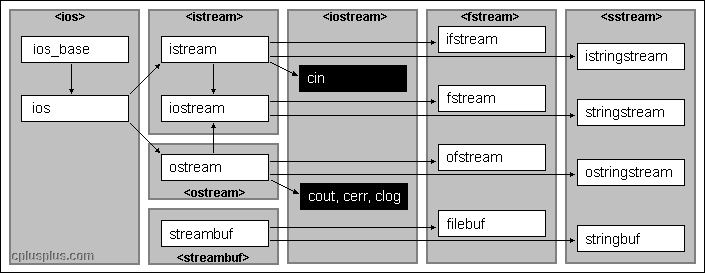
IO IO关系图 IO 类的继承关系图 目录 输入输出流iostream 文件输入输出流fstream 字符串输入输出流sstream 0 stream基础知识 IO对象没有拷贝或赋值 管理IO的状态 继承自basic_ios和basic_ios_base基类 用来记录stream可能出现的状态。 使用iostate对象来记录和管理io的状态 >> <<流运算符(流函数)会返回io的运行状态,如果成功,则会返回true,否则返回false 1234567891011121314151617181920212223#include<iostream>using namespace std;int main(){ //IO state test int a{3}; cin>>a; auto old_state = cin.rdstate();//返回s当前的状态 cout<<old_state<<endl;//输出状态 co...

2020-09-26
figimage_demo
Figimage 演示这说明了在没有轴对象的情况下,直接将图像放置在图形中。 12345678910111213import numpy as npimport matplotlibimport matplotlib.pyplot as pltfig = plt.figure()Z = np.arange(10000).reshape((100, 100))Z[:, 50:] = 1im1 = fig.figimage(Z, xo=50, yo=0, origin='lower')im2 = fig.figimage(Z, xo=100, yo=100, alpha=.8, origin='lower')plt.show() 参考本例中显示了下列函数、方法、类和模块的使用: 123matplotlib.figure.Figurematplotlib.figure.Figure.figimagematplotlib.pyplot.figimage 下载这个示例 下载python源码: figimage_demo.py 下载Jupyter...

2020-09-26
whats_new_99_mplot3d
0.99版本新增Mplot3d对象创建3D曲面图。 12345678910111213141516import numpy as npimport matplotlib.pyplot as pltfrom matplotlib import cmfrom mpl_toolkits.mplot3d import Axes3DX = np.arange(-5, 5, 0.25)Y = np.arange(-5, 5, 0.25)X, Y = np.meshgrid(X, Y)R = np.sqrt(X**2 + Y**2)Z = np.sin(R)fig = plt.figure()ax = Axes3D(fig)ax.plot_surface(X, Y, Z, rstride=1, cstride=1, cmap=cm.viridis)plt.show() 参考此示例中显示了以下函数,方法,类和模块的使用: 123import mpl_toolkitsmpl_toolkits.mplot3d.Axes3Dmpl_toolkits.mplot3d.Axes3D.plot_surf...

2020-09-26
date
日期刻度标签演示如何使用日期刻度定位器和格式化程序在matplotlib中创建日期图。有关控制主要和次要刻度的更多信息,请参阅major_minor_demo1.py 所有matplotlib日期绘图都是通过将日期实例转换为自 0001-01-01 00:00:00 UTC 加上一天后的天数(由于历史原因)来完成的。 转换,刻度定位和格式化是在幕后完成的,因此这对您来说是最透明的。 日期模块提供了几个转换器函数 matplotlib.dates.date2num 和matplotlib.dates.num2date。这些可以在datetime.datetime 对象和 numpy.datetime64 对象之间进行转换。 1234567891011121314151617181920212223242526272829303132333435363738394041import numpy as npimport matplotlib.pyplot as pltimport matplotlib.dates as mdatesimport matplotlib.cbook as...

2020-07-21
2 xhr
1 实例123456789101112131415161718192021222324252627282930313233343536<!DOCTYPE html><html><head><meta charset="utf-8"><script>function loadXMLDoc(){ var xmlhttp; if (window.XMLHttpRequest) { // IE7+, Firefox, Chrome, Opera, Safari 浏览器执行代码 xmlhttp=new XMLHttpRequest(); } else { // IE6, IE5 浏览器执行代码 xmlhttp=new ActiveXObject("Microsoft.XMLHTTP"); } xmlhttp.onreadystatechange=function() { if (xmlhttp.readyState==4...
2021-05-09
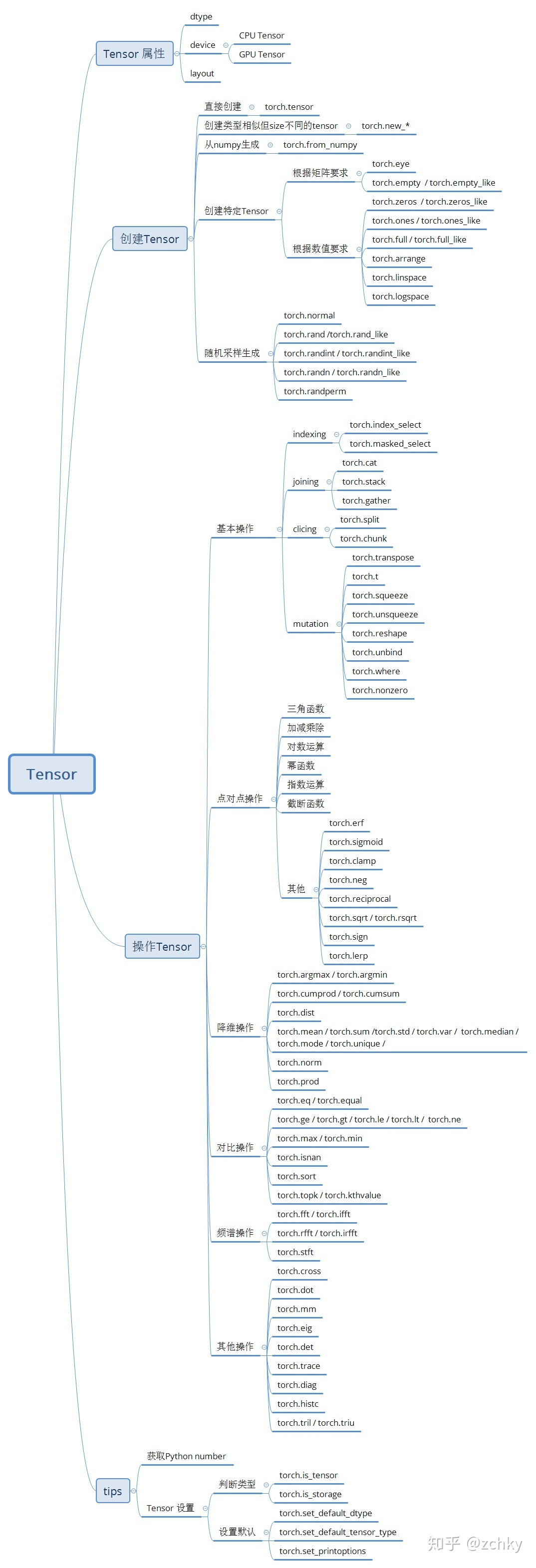
83 API-torch.Tensor
torch中有很多处理tensor的方法,返回的是torch.Tensor对象。 torch.Tensor 包含tensor处理的各种方法和属性。