4.1 反转链表
反转链表
1 从尾到头打印链表内容
问题描述
输入一个链表的头节点,从尾到头反过来返回每个节点的值(用数组返回)。
问题分类
- 线性数据结构
- 枚举法
- 排序问题
问题分析
1.1 从尾到头打印链表内容——辅助栈
策略选择
- 数据结构:链表、栈、数组
- 算法思想:枚举法
- 可以利用栈的先进后出特性。
算法设计
- 入栈: 遍历链表,将各节点值 push 入栈。(Python 使用 append() 方法,Java借助 LinkedList 的addLast()方法)。
- 出栈: 将各节点值 pop 出栈,存储于数组并返回。(Python 直接返回 stack 的倒序列表,Java 新建一个数组,通过 popLast() 方法将各元素存入数组,实现倒序输出)。
算法分析
- 时间复杂度O(n)
- 空间复杂度O(n)
算法实现
1 | vector<int> reversePrint1(ListNode* head) { |
1.2 从尾到头打印链表内容——递归法
策略选择
- 数据结构:链表
- 算法思想:枚举法
- 利用递归后续遍历的特性(子节点在父节点之前除了)
算法设计
- 递推阶段: 每次传入 head.next ,以 head == None(即走过链表尾部节点)为递归终止条件,此时返回空列表 [] 。
- 回溯阶段: 利用 Python 语言特性,递归回溯时每次返回 当前 list + 当前节点值 [head.val] ,即可实现节点的倒序输出。
算法分析
- 时间复杂度O(n)
- 空闲复杂度O(n)
算法实现
1 | vector<int> reversePrint(ListNode* head) { |
2 反转链表
问题描述
- 给你单链表的头指针 head 和两个整数 left 和 right ,其中 left <= right 。请你反转从位置 left 到位置 right 的链表节点,返回 反转后的链表 。
链接
2.1 反转链表——普通循环反转
策略选择
- 循环
算法设计
- 在每次循环的时候。到达一个节点。
- 记录本节点的下一个节点
- 记录本节点的上一个几点
- 反转本次节点指向上一个节点
- 复制本层节点= 下一个节点。开始下一次循环。
算法分析
- 时间复杂度O(n)
- 空间复杂度O(n)
算法实现
1 | ListNode* reverseBetween(ListNode* head, int left, int right) { |
2.2 反转链表——头插法反转
策略选择
- 循环
- 插入反转
算法设计
- 每次循环的时候。到达本节点。将本节点的下一个节点插入到左节点前的下一个节点。从left开始
- temp保留该节点的下一个几点。
- 当前节点指向下一个节点的下一个节点(删除下一个节点)
- temp指向左前节点的下一个节点
- 左前节点指向该节点(插入下一个几点)
算法分析
- 时间复杂度O(n)
- 空间复杂度O(1)
算法实现
1 | // 头插法 |
链表反转——递归法
策略选择
- 递归法
- 等价于使用栈保存了节点的路径。不会在反转后回不到过去的节点
算法设计
递归
- 当到右节点,使用全局变量记录右节点和右节点的下一个节点。
- 当在左右之间时,直接使自身的下一个节点指向自己。
- 当到达左节点时。与有节点和有节点的下一个反转。
递归的参数
递归的返回值
递归的执行
递归的终止条件
递归前的处理和递归后的处理。
算法分析
- 时间复杂度O(n)
- 空间复杂度O(n)
算法实现
1 | // 递归法,把它当做只有一侧的树。后续遍历。取得时候将节点路径放到栈里。回来的时候直接反转也能返回最初的节点。 |
本博客所有文章除特别声明外,均采用 CC BY-NC-SA 4.0 许可协议。转载请注明来源 Estom的博客!
相关推荐
2021-09-02
03 数据结构
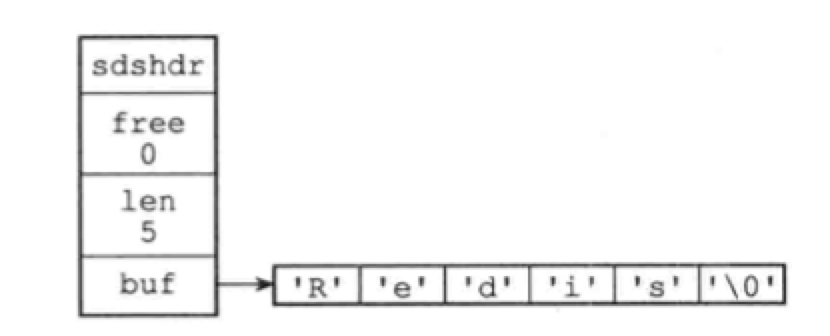
底层数据结构 参考文献 底层数据结构 底层数据结构 1 动态字符串SDS SDS 代码实现 SDS 特点(与C字符串的不同) SDS API 2 链表 双向链表 代码实现 链表 特点 链表 API 3 字典 字典的实现 哈希算法 解决键冲突 Rehash 哈希表的扩展与收缩 渐进式rehash 字典API 4 跳表 跳表 代码实现 跳表使用 跳跃表API 5 整数集合——特殊情况 整数集合的实现 升级 升级的好处 降级 整数集合API 6 压缩列表——特殊情况 压缩列表的构成 压缩列表节点的构成 连锁更新 压缩列表API 1 动态字符串SDSRedis构建了 简单动态字符串(simple dynamic string,SDS)来表示字符串值。 SDS还被用作缓冲区:AOF缓冲区,客户端状态中的输入缓冲区。 SDS 代码实现每个sds.h/sdshdr结构表示一个SDS值: 1234567891011struct sdshdr { // 记录buf数组中已使用字节的数量 // 等于SDS所保存字符串的长度 int le...
2020-09-27
12.使用FP-growth算法来高效发现频繁项集
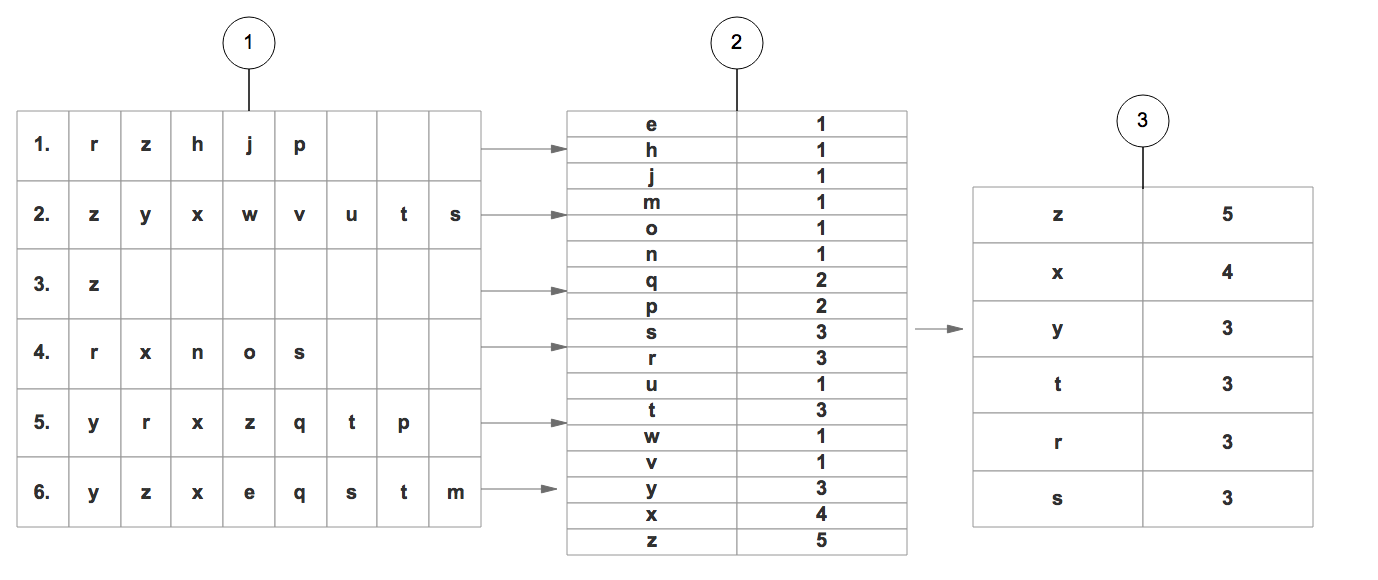
第12章 使用FP-growth算法来高效发现频繁项集前言在 第11章 时我们已经介绍了用 Apriori 算法发现 频繁项集 与 关联规则。本章将继续关注发现 频繁项集 这一任务,并使用 FP-growth 算法更有效的挖掘 频繁项集。 FP-growth 算法简介 一种非常好的发现频繁项集算法。 基于Apriori算法构建,但是数据结构不同,使用叫做 FP树 的数据结构结构来存储集合。下面我们会介绍这种数据结构。 FP-growth 算法步骤 基于数据构建FP树 从FP树种挖掘频繁项集 FP树 介绍 FP树的节点结构如下: 123456789101112131415161718192021222324252627282930313233343536373839404142434445464748class treeNode: def __init__(self, nameValue, numOccur, parentNode): self.name = nameValue # 节点名称 self.count = numOc...

2021-04-07
13 发布与订阅
发布与订阅0 概述Redis的发布与订阅功能由PUBLISH、SUBSCRIBE、PSUBSCRIBE等命令组成。 通过执行SUBSCRIBE命令,客户端可以订阅一个或多个频道,成为这些频道的订阅者(subscriber):每当有其他客户端向被订阅的频道发送消息时,频道的所有订阅者都会收到这条消息。 客户端还可以通过PSUBSCRIBE订阅一个或多个模式:每当有其他客户端向某个频道发送消息,消息不仅会发送给这个频道的订阅者,还会发送给与这个频道相匹配的模式的订阅者。 1 频道的订阅与退订Redis将所有频道的订阅关系都保存在服务器状态的pubsub_channles字典中,键是某个被订阅的频道,值是一个链表,里面记录了所有订阅这个频道的客户端: 123struct redisServer { dict *pubsub_channels;}; 订阅频道每当客户端执行SUBSCRIBE命令时,服务器都会将客户端与被订阅的频道在pubsub_channles字典中关联: 如果频道已有其他订阅者,将当前客户端添加到订阅者链表的末尾。 如果频道未有订阅者,则在pu...
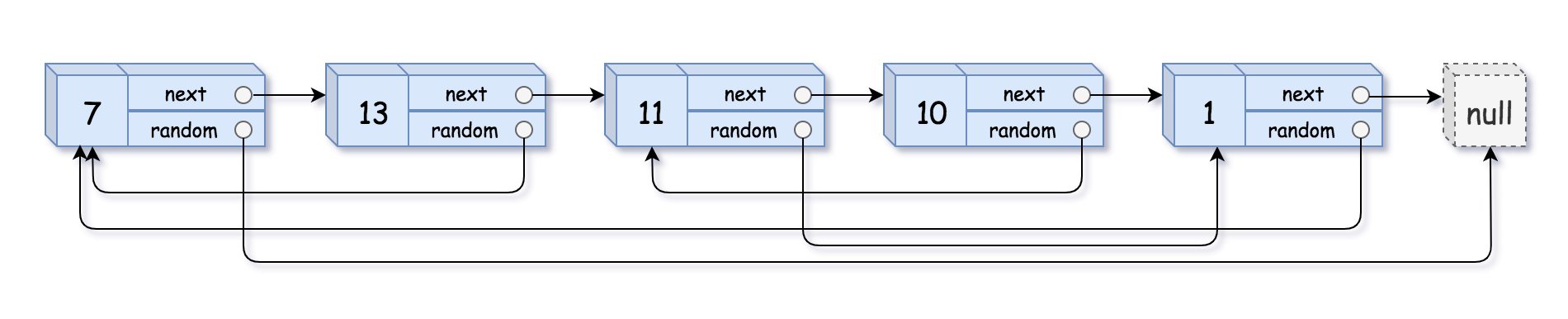
2021-07-23
4.5 链表与映射
链表与映射复制带随机指针的链表问题描述给你一个长度为 n 的链表,每个节点包含一个额外增加的随机指针 random ,该指针可以指向链表中的任何节点或空节点。 构造这个链表的 深拷贝。 深拷贝应该正好由 n 个 全新 节点组成,其中每个新节点的值都设为其对应的原节点的值。新节点的 next 指针和 random 指针也都应指向复制链表中的新节点,并使原链表和复制链表中的这些指针能够表示相同的链表状态。复制链表中的指针都不应指向原链表中的节点 。 例如,如果原链表中有 X 和 Y 两个节点,其中 X.random –> Y 。那么在复制链表中对应的两个节点 x 和 y ,同样有 x.random –> y 。 返回复制链表的头节点。 用一个由 n 个节点组成的链表来表示输入/输出中的链表。每个节点用一个 [val, random_index] 表示: val:一个表示 Node.val 的整数。random_index:随机指针指向的节点索引(范围从 0 到 n-1);如果不指向任何节点,则为 null 。你的代码 只 接受原链表的头节点 head 作为传入...

2021-03-19
2.2 树形变换
1 二叉树与双向链表问题分析 输入一棵二叉搜索树,将该二叉搜索树转换成一个排序的循环双向链表。要求不能创建任何新的节点,只能调整树中节点指针的指向。 链接 1.1 二叉树与双向链表——左旋右旋 借鉴了构建二叉平衡树的内容。可以自己完成以下二叉平衡树试试。 算法设计 通过左旋右旋操作实现树的旋转。最终旋转成一个倒V树。 算法分析 时间复杂度O(n) 空间复杂度O(n) 算法实现123456789101112131415161718192021222324252627282930313233343536373839404142434445464748495051525354555657585960616263646566676869707172737475767778798081828384class Solution {public: Node* treeToDoublyList(Node* root) { // 类似于二叉平衡树的左旋右旋。 if(root==nullptr){ retu...
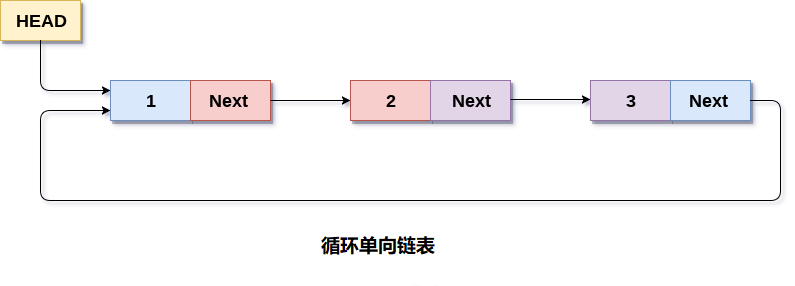
2021-03-13
2.3 循环单链表
循环单向链表1 简介概念 在循环单链表中,链表的最后一个节点包含指向链表的第一个节点的指针。可以有循环单向链表以及循环双链表。 遍历一个循环单链表,直到到达开始的同一个节点。循环单链表类似于链表,但它没有开始也没有结束。任何节点的下一部分都不存在NULL值。 2 数据存储和实现数据存储链表的最后一个节点包含链表的第一个节点的地址。 数据实现 链表通过结构体和指针实现 1234567struct node { int data; struct node *next; }; struct node *head, *ptr; ptr = (struct node *)malloc(sizeof(struct node *)); C++ STL提供了链表的实现 1234#include<list>list<int> li;forward_list<int> li; 3 操作基本操作 创建 遍历、搜索 插入 删除 实现1234567891011121314151617181920212...