13
3.5 – 数据读取 (Data Loader)
DataLoader 是 torch 给你用来包装你的数据的工具. 所以你要讲自己的 (numpy array 或其他) 数据形式装换成 Tensor, 然后再放进这个包装器中. 使用 DataLoader 有什么好处呢? 就是他们帮你有效地迭代数据, 举例:
1 | import torch |
可以看出, 每步都导出了5个数据进行学习. 然后每个 epoch 的导出数据都是先打乱了以后再导出.
真正方便的还不是这点. 如果我们改变一下 BATCH_SIZE = 8 , 这样我们就知道, step=0 会导出8个数据, 但是, step=1 时数据库中的数据不够 8个, 这时怎么办呢:
1 | BATCH_SIZE = 8 # 批训练的数据个数 |
这时, 在 step=1 就只给你返回这个 epoch 中剩下的数据就好了.
所以这也就是在我 github 代码 中的每一步的意义啦.
文章来源:莫烦
本博客所有文章除特别声明外,均采用 CC BY-NC-SA 4.0 许可协议。转载请注明来源 Estom的博客!
相关推荐
2020-10-12
17大数据集
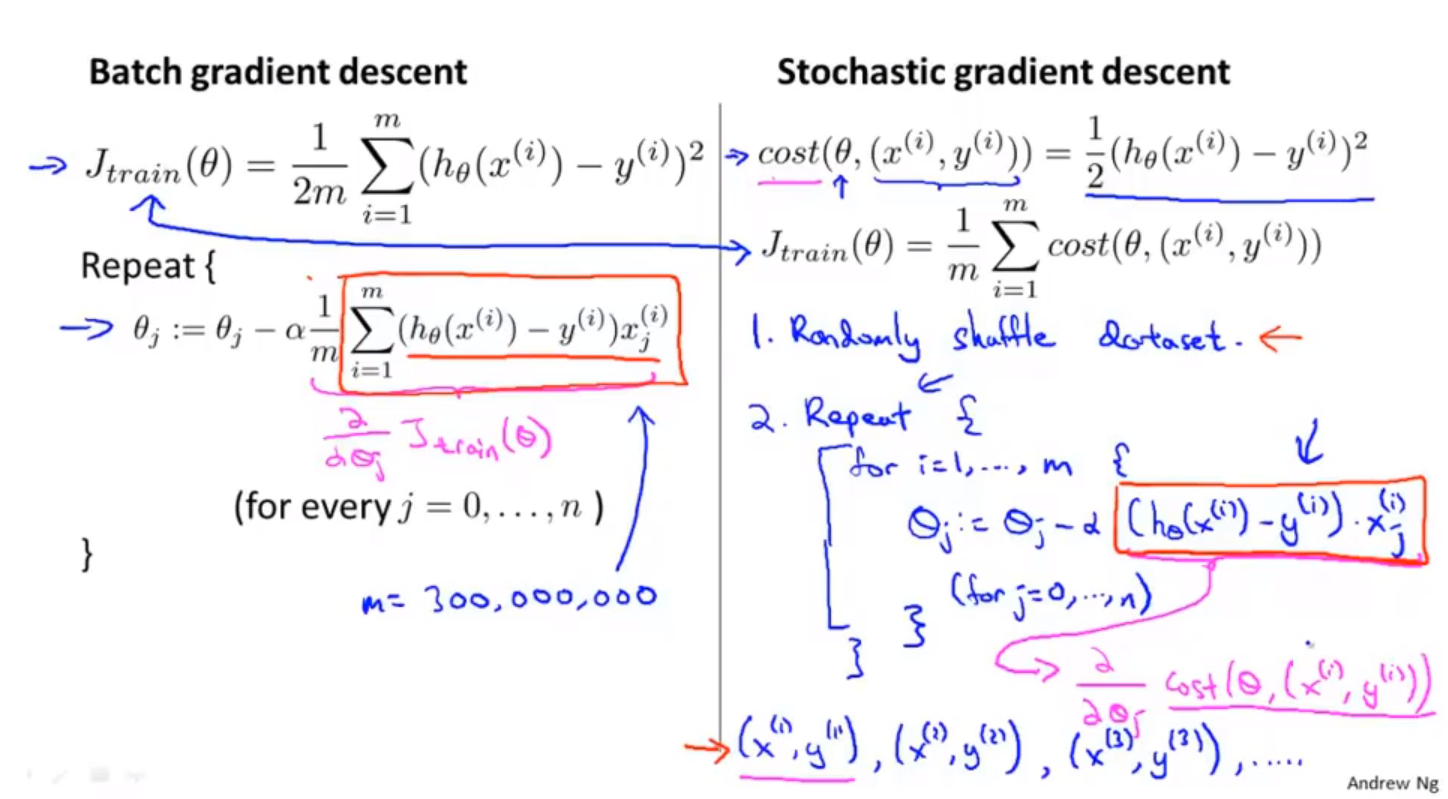
大数据集大数据集机器学习 通过大量数据,能够减少数据方差带来的模型误差。但不能解决模型偏差带来的模型误差。(有待考虑) 随机梯度下降算法 数据集很大的时候,普通梯度下降会变得困难。使用随机梯度下降,能够解决数据集过大的现象。 batch梯度下降。一次对所有的数据进行梯度下降。 随机梯度下降;stochastic gradient descent random shuffle example repeat gradient descent on one example 两种梯度下降算法对比 随机梯度下降算法过程 mini-batch 梯度下降算法 选取少量样本进行梯度下降。 需要有非常高效的向量化方法,对小范围内的数据进行求和运算 随机梯度下降的收敛问题 学习率一般是固定的参数,如果想让代价函数收敛在更小的位置,可以随着训练过程降低学习率。 保持固定的学习率能够方便调试。 在线机器学习 针对不断增加的连续的数据流。不断增加数据的网站,连续的数据流==> 在线机器学习。一边学习一边使用。 邮寄包裹的例子:用户的统计学特征、发货地、目的地、给出的...
2021-03-22
04 Pytorch nn本质
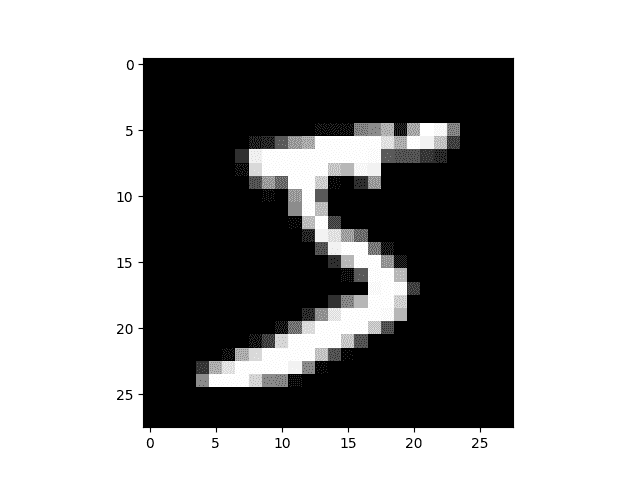
torch.nn到底是什么? 0 MNIST 数据集 1 从零开始的神经网络(没有torch.nn) 2 使用torch.nn.functional 3 使用nn.Module重构 4 使用nn.Linear重构 5 使用optim重构 6 使用Dataset重构 7 使用DataLoader重构 8 添加验证 8 创建fit()和get_data() 9 切换到 CNN nn.Sequential 9 包装DataLoader 10 使用您的 GPU 总结 torch.nn到底是什么?PyTorch 提供设计精美的模块和类torch.nn,torch.optim,Dataset和DataLoader神经网络。 为了充分利用它们的功能并针对您的问题对其进行自定义,您需要真正了解它们在做什么。 为了建立这种理解,我们将首先在 MNIST 数据集上训练基本神经网络,而无需使用这些模型的任何功能。 我们最初将仅使用最基本的 PyTorch 张量函数。 然后,我们将一次从torch.nn,torch.optim,Dataset或DataLoader中逐个添加一个函数,以准确显示每...

2022-07-11
09 Java反射
反射机制 1 反射概述 反射机制的作用 Class对象 反射机制的使用 反射机制的优点 反射的缺点 反射机制的使用 2 反射机制实现 Class 中的方法 Field中的方法 Method中的方法 Constructor中的方法 获取一个类的父类以及实现的接口 反射机制 深入解析 Java 反射(1)- 基础 Java反射超详细,一个快乐的野指针 1 反射概述反射机制的作用 通过java语言中的反射机制可以操作字节码文件(可以读和修改字节码文件。) 通过反射机制可以操作代码片段。(class文件。) Class对象Class对象的作用 每个类都有一个Class对象,包含了与类有关的信息,代表整个字节码。代表一个类型,代表整个类。当编译一个新类时,会产生一个同名的 .class 文件,该文件内容保存着 Class 对象。 类加载相当于 Class 对象的加载,类在第一次使用时才动态加载到 JVM 中。也可以使用 Class.forName("com.mysql.jdbc.Driver") 这种方式来控制类的加载,该方法会返回一个 Clas...

2022-04-18
html-basics-element
示例代码1234567891011121314151617<!DOCTYPE html><html> <head> <title>06_基本元素实例.html</title> <meta http-equiv="content-type" content="text/html; charset=UTF-8"> </head> <body> <h1 align="center">春晓</h1> <hr align="center" width="30%"> <p align="center"> 春眠不觉晓, <br> 处处闻啼鸟。<br> 夜来风雨声,<br> 花落知多少。<br> </p> </body></h...

2021-12-24
supervisord
supervisordhttps://blog.csdn.net/weixin_40680612/article/details/124422102 Supervisor是用Python开发的一套通用的进程管理程序,能将一个普通的命令行进程变为后台daemon,并监控进程状态,异常退出时能自动重启。它是通过fork/exec的方式把这些被管理的进程当作supervisor的子进程来启动,这样只要在supervisor的配置文件中,把要管理的进程的可执行文件的路径写进去即可。也实现当子进程挂掉的时候,父进程可以准确获取子进程挂掉的信息的,可以选择是否自己启动和报警。supervisor还提供了一个功能,可以为supervisord或者每个子进程,设置一个非root的user,这个user就可以管理它对应的进 配置后台服务/常驻进程的进程管家工具。supervisord的出现,可以用来管理后台运行的程序。通过supervisorctl客户端来控制supervisord守护进程服务,真正进行进程监听的是supervisorctl客户端,而运行supervisor服务...

2021-04-19
4 管理包
管理包1. 查找可供安装的包版本精确查找1conda search --full-name <package_full_name> 注意: –full-name为精确查找的参数。 是被查找包的全名。包名两边不加尖括号“<>”。 例如:conda search –full-name python即查找全名为“python”的包有哪些版本可供安装。 模糊查找1conda search <text> 注意:是查找含有此字段的包名。此字段两边不加尖括号“<>”。 例如:conda search py即查找含有“py”字段的包,有哪些版本可供安装。 2. 获取当前环境中已安装的包信息1conda list 执行上述命令后将在终端显示当前环境已安装包的包名及其版本号。 3. 安装包在指定环境中安装包1conda install --name <env_name> <package_name> 注意: 即将包安装的指定环境名。环境名两边不加尖括号“<>”。 即要安装的包名。包名两边不加尖...