4.7 数组中的逆序对
1 数组中的逆序对
问题描述
在数组中的两个数字,如果前面一个数字大于后面的数字,则这两个数字组成一个逆序对。输入一个数组,求出这个数组中的逆序对的总数。
问题分析
策略选择
- 数据结构:线性数组
- 算法思想:变治法。将搜索查找问题修改为排序问题。归并排序
算法设计
归并排序」是分治思想的典型应用,它包含这样三个步骤:
- 分解: 待排序的区间为 [l, r],令 $m = \lfloor \frac{l + r}{2} \rfloor$,我们把 [l, r] 分成 [l,m] 和 [m+1,r]
- 解决: 使用归并排序递归地排序两个子序列
- 合并: 把两个已经排好序的子序列 [l, m][l,m] 和 [m + 1, r][m+1,r] 合并起来
在归并排序过程中。后边列表的数添加到前边之后。前边列表中数的量,就是本次排序逆序数的量。
算法分析
- 时间复杂度:同归并排序 O(nlogn)。
- 空间复杂度:同归并排序 O(n),
算法实现
1 |
|
本博客所有文章除特别声明外,均采用 CC BY-NC-SA 4.0 许可协议。转载请注明来源 Estom的博客!
相关推荐

2020-09-26
tripcolor_demo
Tripcolor Demo非结构化三角形网格的伪彩色图。 123import matplotlib.pyplot as pltimport matplotlib.tri as triimport numpy as np 在不指定三角形的情况下创建三角剖分会导致点的Delaunay三角剖分。 123456789101112131415161718192021# First create the x and y coordinates of the points.n_angles = 36n_radii = 8min_radius = 0.25radii = np.linspace(min_radius, 0.95, n_radii)angles = np.linspace(0, 2 * np.pi, n_angles, endpoint=False)angles = np.repeat(angles[..., np.newaxis], n_radii, axis=1)angles[:, 1::2] += np.pi / n_anglesx = (radii * np.cos(a...
2022-12-05
03 List
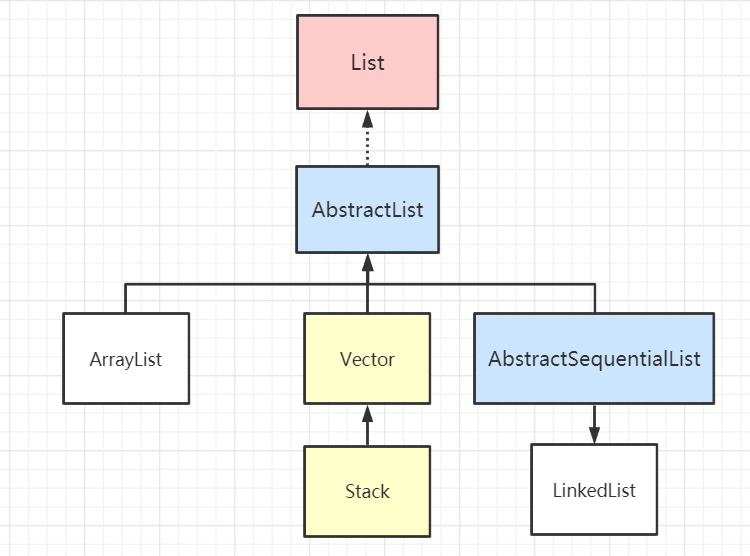
List 接口0 概述简介List 接口和 Set 接口齐头并进,是我们日常开发中接触的很多的一种集合类型了。整个 List 集合的组成部分如下图 List 接口直接继承 Collection 接口,它定义为可以存储重复元素的集合,并且元素按照插入顺序有序排列,且可以通过索引访问指定位置的元素。常见的实现有:ArrayList、LinkedList、Vector和Stack AbstractList 和 AbstractSequentialListAbstractList 抽象类实现了 List 接口,其内部实现了所有的 List 都需具备的功能,子类可以专注于实现自己具体的操作逻辑。 12345// 查找元素 o 第一次出现的索引位置public int indexOf(Object o)// 查找元素 o 最后一次出现的索引位置public int lastIndexOf(Object o)//··· AbstractSequentialList 抽象类继承了 AbstractList,在原基础上限制了访问元素的顺序只能够按照顺序访问,而不支持随机访问,如果需要满足随机...

2021-03-09
6 字典和集合
>字典结构 >>键值对(融合了PHP中的特点) >>创建字典,使用成对的花括号{ },使用冒号表示键值对 例如:my_dict = {‘John’:879798,’Bob’:8757,’mike’:725466} 其他方法:dict(zip([1,2,3],[4,5,6]))或dict([(1,4),(2,5),(3,6)]) >>访问字典:使用方括号[ ] ,使用键作为索引 例如:print my_dict print my_dict[‘tom’] >>字典运算符和方法 len(my_dict)字典中键值对的数量 key in my_dict快速判断key是否为字典中的键(=>my_dict.has_key(key)) for key in my_dict:能够遍历数组中所有的键(不是值) my_dict.items()全部的键值对,以列表的形式存在(好像Python中称数组为列表吧) my_dict.keys() 全部的键 my...

2020-09-25
13排序搜索
排序,搜索和计数(Sorting, searching, and counting)排序(Sorting) method description sort(a[, axis, kind, order]) 返回数组的排序副本。 lexsort(keys[, axis]) 使用键的序列执行间接稳定排序。 argsort(a[, axis, kind, order]) 返回将对数组进行排序的索引。 ndarray.sort([axis, kind, order]) 就地排序数组。 msort(a) 返回沿第一个指针排序的数组的副本。 sort_complex(a) 首先使用实部,然后使用虚部对复杂数组进行排序。 partition(a, kth[, axis, kind, order]) 返回数组的分区副本。 argpartition(a, kth[, axis, kind, order]) 使用kind关键字指定的算法,沿给定的指针执行间接分区。 Searching method description argmax(a[, axi...

2020-09-26
subplots_demo
子图演示大全说明 plt.subplots() 使用的示例。 此函数只需一次调用即可创建地物和子图网格,同时对各个图的创建方式提供合理的控制。要对子打印创建进行非常精细的调整,仍然可以直接在新地物上使用 add_subplot()。 12345678import matplotlib.pyplot as pltimport numpy as np# Simple data to display in various formsx = np.linspace(0, 2 * np.pi, 400)y = np.sin(x ** 2)plt.close('all') 只有一个图形和一个子图 123f, ax = plt.subplots()ax.plot(x, y)ax.set_title('Simple plot') 两个子图,轴数组是一维的。 1234f, axarr = plt.subplots(2, sharex=True)f.suptitle('Sharing X axis')axarr[0].plot(x, ...

2020-09-26
tricontour_demo
Tricontour 演示非结构化三角形网格的等高线图。 123import matplotlib.pyplot as pltimport matplotlib.tri as triimport numpy as np 在不指定三角形的情况下创建三角剖分会导致点的Delaunay三角剖分。 123456789101112131415161718192021# First create the x and y coordinates of the points.n_angles = 48n_radii = 8min_radius = 0.25radii = np.linspace(min_radius, 0.95, n_radii)angles = np.linspace(0, 2 * np.pi, n_angles, endpoint=False)angles = np.repeat(angles[..., np.newaxis], n_radii, axis=1)angles[:, 1::2] += np.pi / n_anglesx = (radii * np.cos(an...