abc实现多态
多态的含义
- 多态性是指具有不同功能的函数可以使用相同的函数名,这样就可以用一个函数名调用不同内容的函数。在面向对象方法中一般是这样表述多态性:向不同的对象发送同一条消息,不同的对象在接收时会产生不同的行为(即方法)。也就是说,每个对象可以用自己的方式去响应共同的消息。所谓消息,就是调用函数,不同的行为就是指不同的实现,即执行不同的函数。
1 | # 动物类 都有名字这个属性 和吃这个方法 |
多态实现
1 | import abc ( metaclass=abc.ABCMeta) |
- Python本身不提供抽象类和接口机制,要想实现抽象类,可以借助abc模块。ABC是Abstract Base Class的缩写
@abc.abstractmethod装饰器
- 加上@abc.abstractmethod装饰器后严格控制子类必须实现这个方法
1 | class C: |
1 | import abc |
@abc.abstractproperty()
表明一个抽象属性
1 | class C: |
abc.ABCMeta
这是用来生成抽象基础类的元类。由它生成的类可以被直接继承。
1 | from abc import ABCMeta |
上面这个例子中,首先生成了一个MyABC的抽象基础类,然后再将tuple变成它的虚拟子类。然后通过issubclass或者isinstance都可以判断出tuple是不是出于MyABC类。
也可以通过复写__subclasshook__(subclass)来实现相同功能,它必须是classmethod
1 | class Foo(object): |
本博客所有文章除特别声明外,均采用 CC BY-NC-SA 4.0 许可协议。转载请注明来源 Estom的博客!
相关推荐
2021-04-08
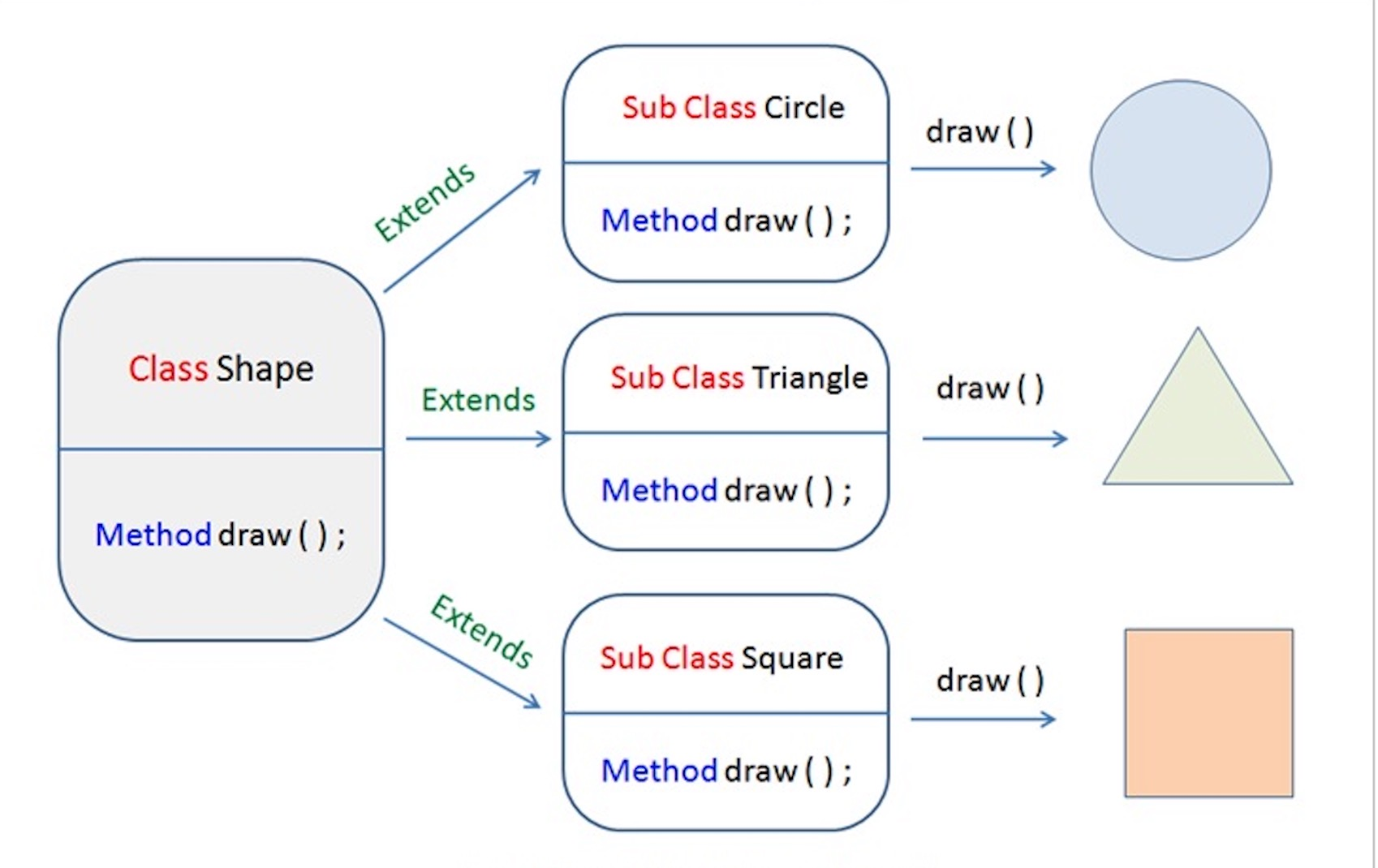
06 面向对象的三大特征
面相对象的三大特征 1封装 2 继承 3 多态 4 重写、重载、重定义 定义 重写的原则 与重载的区别 方法访问的优先级 面相对象的三大特征1封装高内聚、低耦合。属性私有。 隐藏实现的细节。将抽象性函式接口的实现细节部分包装、隐藏起来的方法。 提高系统的安全性。在getset中对输入数据进行安全检查。封装可以被认为是一个保护屏障,防止该类的代码和数据被外部类定义的代码随机访问。要访问该类的代码和数据,必须通过严格的接口控制。 提供统一的接口 更容易理解与维护。 实现封装的步骤 修改属性的可见性来限制对属性的访问(一般限制为private) 对每个值属性提供对外的公共方法访问,也就是创建一对赋取值方法,用于对私有属性的访问。get/set方法 2 继承继承的定义 继承就是子类继承父类的特征和行为,使得子类对象(实例)具有父类的实例域和方法,或子类从父类继承方法,使得子类具有父类相同的行为。 继承本质上是一种代码复用的方法。也提高了代码的耦合程度。 所有没有父类的类默认继承Object类。 12345class 父类 {} cla...

2020-09-26
whats_new_99_spines
0.99版本新增Spines对象12345678910111213141516171819202122232425262728293031323334353637383940414243444546import matplotlib.pyplot as pltimport numpy as npdef adjust_spines(ax,spines): for loc, spine in ax.spines.items(): if loc in spines: spine.set_position(('outward',10)) # outward by 10 points else: spine.set_color('none') # don't draw spine # turn off ticks where there is no spine if 'left' in spines: ax.yaxis...
2021-04-10
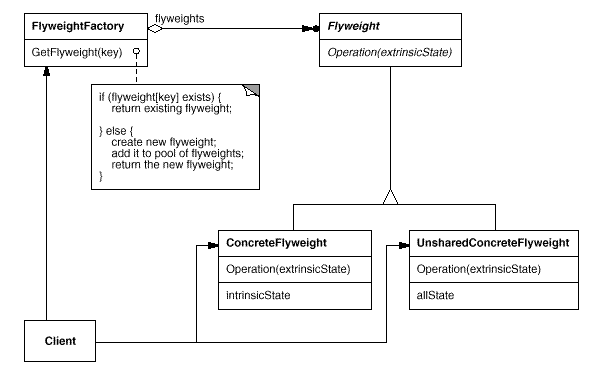
3.6 享元
享元模式意图 运用共享技术有效地支持大量细粒度的对象。 Use sharing to support large numbers of fine-grained objects efficiently. 结构 下面的对象图说明了如何共享 Flyweight: 参与者 Flyweight 描述一个接口,通过这个接口 Flyweight 可以接受并作用于外部状态。 ConcreteFlyweight 实现 Flyweight接口,并为内部状态增加存储空间。该对象必须是可共享的。它所存储的状态必须是内部的,即必须独立于对象的场景。 UnsharedConcreteFlyweight 并非所有的 Flyweight 子类都需要被共享。Flyweight接口使共享成为可能,但它并不强制共享。 FlyweightFactory 创建并管理 Flyweight 对象。 确保合理地共享 Flyweight。 Client 维持一个对 Flyweight 的引用。 计算或存储 Flyweight 的外部状态。 适用性 Flyweight 模式的有效性很大程度上取决于...

2021-05-09
82 API-torch.nn.functional
提供了函数化的 torch.nn 实现了各个算子层,每层包含相同的算子。 torch.nn.functional 实现了各个算子。每一层可以包含不同的算子,用来实现比torch.nn更加细致的运算。

2020-09-26
date
日期刻度标签演示如何使用日期刻度定位器和格式化程序在matplotlib中创建日期图。有关控制主要和次要刻度的更多信息,请参阅major_minor_demo1.py 所有matplotlib日期绘图都是通过将日期实例转换为自 0001-01-01 00:00:00 UTC 加上一天后的天数(由于历史原因)来完成的。 转换,刻度定位和格式化是在幕后完成的,因此这对您来说是最透明的。 日期模块提供了几个转换器函数 matplotlib.dates.date2num 和matplotlib.dates.num2date。这些可以在datetime.datetime 对象和 numpy.datetime64 对象之间进行转换。 1234567891011121314151617181920212223242526272829303132333435363738394041import numpy as npimport matplotlib.pyplot as pltimport matplotlib.dates as mdatesimport matplotlib.cbook as...

2021-03-06
1 构造函数和析构函数
拷贝控制 参考文献 https://www.cnblogs.com/sunchaothu/p/11392116.html 类的特殊函数 初始化——构造函数 拷贝——拷贝构造函数 移动——移动构造函数 赋值——拷贝赋值运算符、移动赋值运算符 销毁——析构函数 123456789默认构造(无参) T()拷贝构造 T(const T& )移动构造 T(T&&)拷贝赋值 T& operator=(T& )移动赋值 T& operator=(T&& )析构 ~T() 1 构造函数 与类同名的,没有返回值的函数,用来创建、拷贝、移动、销毁该类的对象。 1.1 合成构造函数编译器自动生成的一系列构造函数。包括以下几种 合成默认构造函数 当用户定义了任意类型的构造函数,编译器不再自动生成合成默认构造函数 合成拷贝构造函数 即是用户定义了其他类型的构造函数,编译器还会自动生成合成拷贝构造函数。 编译器自动生成的拷贝构造函数。从给定的对象中依次将每...