3.io.go_write&Closer接口
首先,strings包里面的reader.go文件并没有write(有WriteTo),所以我们需要到别的地方去找这个接口的实现。
最简单的就是文件操作的代码里面了,因为涉及到文件必然有写的操作。
所以我们在os包的file.go文件里找到了它的实现:
1 | func (f *File) Write(b []byte) (n int, err error) { |
接下来,我们写一段例子来实现它。
1 | func main() { |
注意的是,在Write内部,还调用了writes这个私有方法。
1 | // write writes len(b) bytes to the File. |
虽然已经超出了io包的范畴,不过也可以简单得说下。
*File也是一个结构
1 | type file struct { |
这是windows版的定义,linux版还不知道。这里的l是一个锁。
在写文件的时候,会上锁,写完,会解锁。
type Closer interface {}
这个真没什么好说的了,io读和写,必然涉及到关闭,所以Close也是必须的方法,写代码的时候千万不能漏。
type Seeker interface {}
继续看文件读写的方法。Seek同样在其中被实现了
1 | // Seek sets the offset for the next Read or Write on file to offset, interpreted |
查看注释,Seek就设置下一次读或者写的偏移量。根据这个whence,0意味着相对于文件的起始,1意味着当前的偏移位置,2意味着相对于文件的末尾。他会返回新的偏移量和一个错误。
在io.go里面,针对whence,定义了一组常量,可以拿来使用。
1 | // Seek whence values. |
其实在file.go里面也有定义
1 | // Deprecated: Use io.SeekStart, io.SeekCurrent, and io.SeekEnd. |
不过看一下注释,已经被Deprecated掉了,所以不要再去使用了。
接着,我们来试一下怎么用吧。
1 | func main() { |
把代码改成
1 | rs,err := f.Seek(2,io.SeekCurrent) |
把代码改成
1 | rs,err := f.Seek(2,io.SeekEnd) |
看上去SeekCurrent和SeekEnd的用法似乎不大,可能多还是用在写上面吧。
本博客所有文章除特别声明外,均采用 CC BY-NC-SA 4.0 许可协议。转载请注明来源 Estom的博客!
相关推荐
2021-03-12
4 队列
队列1 简介概念 队列可以定义为有序列表。在一端执行插入操作rear,删除操作在另一端执行,称为front。 队列被称为先进先出列表。 应用 单个共享资源(如打印机,磁盘,CPU)的等待列表。 异步数据传输。管道,文件IO,套接字。 缓冲区. 操作系统中处理中断。 时间复杂度 时间复杂性 访问 搜索 插入 删除 平均情况 θ(n) θ(n) θ(1) θ(1) 最坏情况 θ(n) θ(n) θ(1) θ(1) 2 队列的操作基本操作 创建 遍历(显示第一个元素) 插入 删除 3 队列的实现队列的数组实现123456789101112131415161718192021222324252627282930313233343536373839404142434445464748495051525354555657585960616263646566676869707172737475767778798081828384858687888990919293949596979899100101102103#include<stdio.h> #in...

2021-03-09
基础篇——5.完整性
完整性 引言:广义上,人们习惯将完整性分为三类:实体完整性、参照完整性、用户自定义完整性。(课本上如此定义) 狭义上,有五个最重要的完整性约束方法:主键约束、外键约束、唯一约束、非空约束、检查约束。 其中 实体完整性通过主键实现,参照完整性通过外键实现,用户自定义的完整性约束主要包括唯一约束、非空约束、检查约束。 主键约束主键约束是数据表一个或多个用以实现记录唯一性的字段,虽然使用中通常由一个字段标识,但是也可以使用多个字段组成(联合主键)。 主键的作用在于表中的每条记录都具有一个唯一的值,如一个人的身份证号,具有唯一性。用于作为某人的识别标志。创建主键的三种方式: 1234create table TEST_TBL (-- 主键(主键约束) primary key 唯一的约束该字段里面的数据,不能重复,不可为空id int primary key ); 123456create table TEST_TBL (-- 主键(主键约束) primary key 唯一的约束该字段里面的数据,不能重复,不可为空-- 可用于创建联合主键 primary key(参数列表,...
2020-01-04
1.1 图算法-Dijkstra算法 copy
图算法-Dijkstra算法 目录 图算法-Dijkstra算法 图算法-Floyd算法 图算法-Bellman-Ford算法 图算法-Prim算法 图算法-Kruskal算法 参考文献 https://www.cnblogs.com/msymm/p/9769915.html https://blog.csdn.net/jeffleo/article/details/53349825 1 问题分析 最短路径算法。用于单源最短路算法 Dijkstra算法算是贪心思想实现的,首先把起点到所有点的距离存下来找个最短的,然后松弛一次再找出最短的,所谓的松弛操作就是,遍历一遍看通过刚刚找到的距离最短的点作为中转站会不会更近,如果更近了就更新距离,这样把所有的点找遍之后就存下了起点到其他所有点的最短距离。 2 算法原理 通过Dijkstra计算图G中的最短路径时,需要指定起点s(即从顶点s开始计算)。 此外,引进两个集合S和U。S的作用是记录已求出最短路径的顶点(以及相应的最短路径长度),而U则是记录还未求出最短路径的顶点(以及该顶点到起点s的距离)。 初始时,S...
2023-11-26
01 JDBC简介
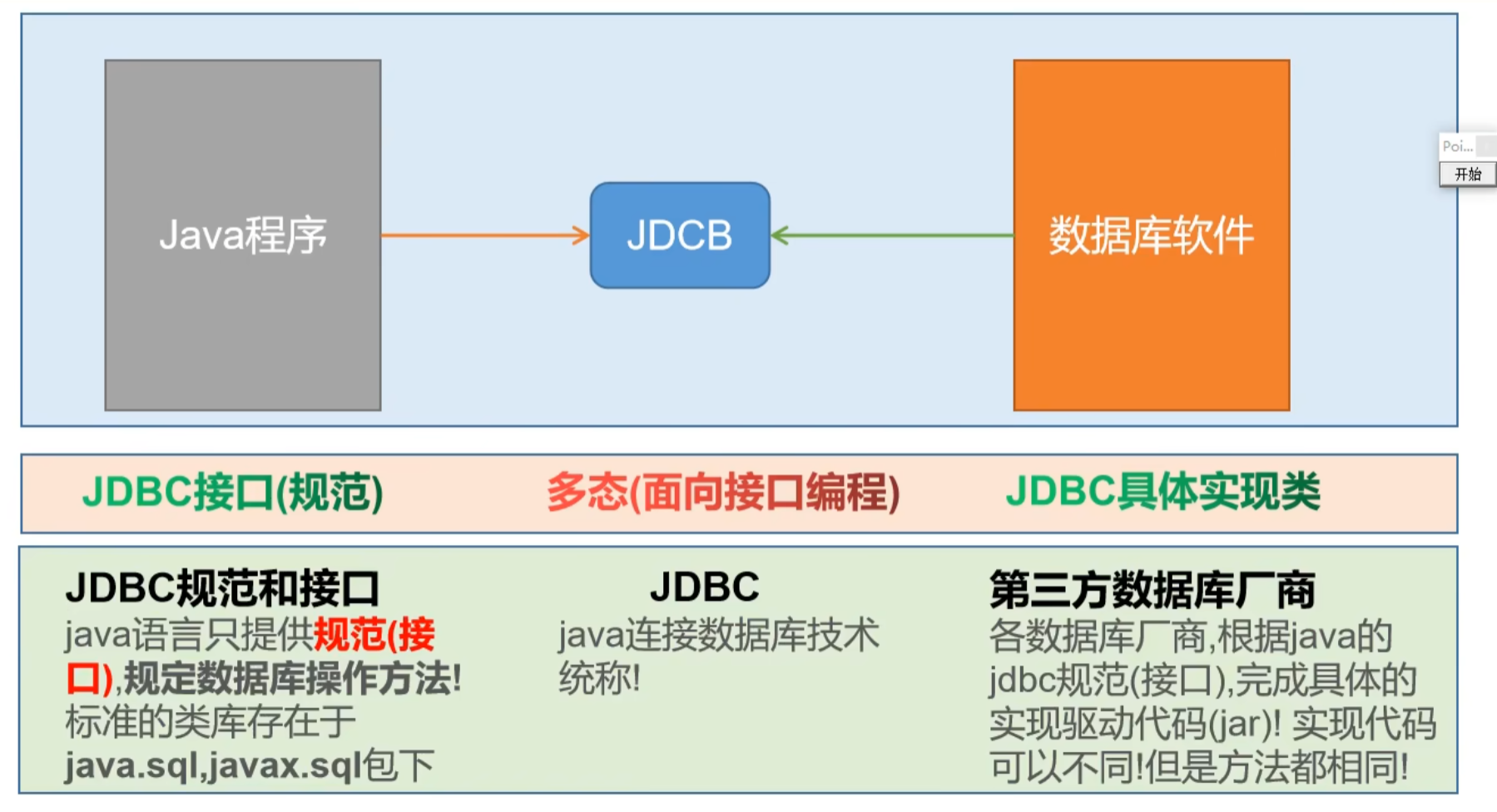
1. 简介概述各个数据库厂商去实现这套接口,提供数据库驱动jar包我们可以使用这套接口(JDBC)编程,真正执行的代码是驱动jar包中的实现类 各数据库厂商使用相同的接口,Java代码不需要针对不同数据库分别开发。可随时替换底层数据库,访问数据库的Java代码基本不变。以后编写操作数据库的代码只需要面向JDBC(接口),操作哪儿个关系型数据库就需要导入该数据库的驱动包,如需要操作MySQL数据库,就需要再项目中导入MySQL数据库的驱动包。 jdbc的架构 数据库操作的层次 准备一个数据库:mysql JDBC数据库连接:JDBC定义了数据库操作的规范,数据库驱动实现了数据库操作的规范。 DataSource数据源/连接池。舔奶盖理论,当创建和销毁连接消耗了大量的性能,引进池化技术,创建连接池只释放连接、不销毁连接,实现对连接的复用。 数据库操作框架:SpringData、Mybatis。提供了对JDBC基本数据库操作的封装。 2. 核心类 DriverManager 将第三方尝试实现的驱动jar注册到程序中 可以根据数据库链接信息获取connection Co...

2022-12-05
29.红黑树和平衡二叉树有什么区别
红黑树和平衡二叉树有什么区别?数据结构属于理解一些源码和技术所必备的知识,比如要读懂 Java 语言中 TreeMap 和 TreeSet 的源码就要懂红黑树的数据结构,不然是无法理解源码中关于红黑树数据的操作代码的,比如左旋、右旋、添加和删除操作等。因此本课时我们就来学习一下数据结构的基础知识,方便看懂源码或者是防止面试中被问到。 我们本课时的面试题是,红黑树和二叉树有什么区别? 典型回答要回答这个问题之前,我们先要弄清什么是二叉树?什么是红黑树? 二叉树(Binary Tree)二叉树(Binary Tree)是指每个节点最多只有两个分支的树结构,即不存在分支大于 2 的节点,二叉树的数据结构如下图所示: 这是一棵拥有 6 个节点深度为 2(深度从 0 开始),并且根节点为 3 的二叉树。 二叉树有两个分支通常被称作“左子树”和“右子树”,而且这些分支具有左右次序不能随意地颠倒。 二叉查找树一棵空树或者满足以下性质的二叉树被称之为二叉查找树: 若任意节点的左子树不为空,则左子树上所有节点的值均小于它的根节点的值; 若任意节点的右子树不为空,则右子树上所有节点的值均大于或等...
2021-09-01
附录4 MySQL事务管理
MySQL事务管理 参考文献 Mysql并发控制 本章主要讲了MySQL的事务管理,即MySQL的并发控制,MySQL在并发过程中如何进行同步,即MySQL保证事物的原子性、隔离性、一致性、持久性的方法。也属于并发机制的一部分。 4 多级锁协议封锁粒度MySQL 各存储引擎使用了三种类型(级别)的锁定机制:表级锁定,行级锁定和页级锁定。 表级锁定(table-level)表级别的锁定是 MySQL 各存储引擎中最大颗粒度的锁定机制。该锁定机制最大的特点是实现逻辑非常简单,带来的系统负面影响最小。所以获取锁和释放锁的速度很快。由于表级锁一次会将整个表锁定,所以可以很好的避免困扰我们的死锁问题。当然,锁定颗粒度大所带来最大的负面影响就是出现锁定资源争用的概率也会最高,致使并发度大打折扣。使用表级锁定的主要是 MyISAM,MEMORY,CSV等一些非事务性存储引擎。 行级锁定(row-level)行级锁定最大的特点就是锁定对象的颗粒度很小,也是目前各大数据库管理软件所实现的锁定颗粒度最小的。由于锁定颗粒度很小,所以发生锁定资源争用的概率也最小,能够给予应用程序尽可能大的并...