04 Java数组
Java 数组
1 概述
概念
Java 语言中提供的数组是用来存储固定大小的同类型元素。
数组声明
1 | dataType[] arrayRefVar; // 首选的方法 |
数组定义
- 使用new关键字和数组的大小创建数组。数组中的每一个元素都使用默认初始化。基本类型被初始化位数值,引用类型被初始化位空。
- 使用花括号和数组中的元素,创建数组
1 | dataType[] arrayRefVar = new dataType[arraySize]; |
数组遍历
数组的元素类型和数组的大小都是确定的,所以当处理数组元素时候,我们通常使用基本循环或者 For-Each 循环。
- for遍历
1 | public class TestArray { |
- forEach遍历
1 | public class TestArray { |
数组参数
数组可以作为参数传递给方法,本质是,数组是引用类型的变量的一种,所以传递的是数组的地址。
1 | public static void printArray(int[] array) { |
数组返回值
1 | public static int[] reverse(int[] list) { |
多维数组
多维数组可以看成是数组的数组,比如二维数组就是一个特殊的一维数组,其每一个元素都是一个一维数组,
- 可以直接固定每一维的数组长度
1 | String[][] str = new String[3][4]; |
- 可以逐步分配每一维数组的长度
1 | String[][] s = new String[2][]; |
本博客所有文章除特别声明外,均采用 CC BY-NC-SA 4.0 许可协议。转载请注明来源 Estom的博客!
相关推荐

2020-09-26
color_by_yvalue
通过y-value绘制颜色使用掩码数组以y值绘制具有不同颜色的线。 1234567891011121314151617import numpy as npimport matplotlib.pyplot as pltt = np.arange(0.0, 2.0, 0.01)s = np.sin(2 * np.pi * t)upper = 0.77lower = -0.77supper = np.ma.masked_where(s < upper, s)slower = np.ma.masked_where(s > lower, s)smiddle = np.ma.masked_where(np.logical_or(s < lower, s > upper), s)fig, ax = plt.subplots()ax.plot(t, smiddle, t, slower, t, supper)plt.show() 参考此示例中显示了以下函数,方法,类和模块的使用: 123import matplotlibmatplotlib.axes.Axes.plo...

2022-04-18
01 简介
JavaScript 介绍什么是 JavaScriptJavaScript 是一种由 Netscape 的 LiveScript 发展而来的原型化继承的基于对象的动态类型的区分大小写的客户端脚本语言,主要目的是为了解决服务器端语言,比如 Perl,遗留的速度问题,为客户提供更流畅的浏览效果。 当时服务端需要对数据进行验证,由于网络速度相当缓慢,只有 28.8kbps,验证步骤浪费的时间太多。于是 Netscape 的浏览器 Navigator 加入了 JavaScript,提供了数据验证的基本功能。 JavaScript,一种直译式脚本语言,是一种动态类型、弱类型、基于原型的语言,内置支持类型。它的解释器被称为 JavaScript 引擎,为浏览器的一部分,广泛用于客户端的脚本语言,最早是在 HTML 网页上使用,用来给HTML网页增加动态功能。然而现在 JavaScript 也可被用于网络服务器,如 Node.js。 JavaScript发展历史 在 1995 年由 Netscape (网景)公司推出 LiveScript。在此之前,没有所谓的前端技术。所有的处理都需要由服务器...

2020-09-26
custom_cmap
从颜色列表创建颜色映射有关创建和操作色彩映射的更多详细信息,请参阅在Matplotlib中创建色彩映射。 可以使用LinearSegmentedColormap的from_list()方法从颜色列表创建颜色映射。您必须传递一个RGB元组列表,用于定义从0到1的颜色混合。 创建自定义色彩映射也可以为色彩映射创建自定义映射。 这是通过创建字典来实现的,该字典指定RGB通道如何从cmap的一端变为另一端。 示例:假设您希望红色在下半部分从0增加到1,绿色在中间半部分增加到相同,而在上半部分则为蓝色。 然后你会用: 123456789101112cdict = {'red': ((0.0, 0.0, 0.0), (0.5, 1.0, 1.0), (1.0, 1.0, 1.0)), 'green': ((0.0, 0.0, 0.0), (0.25, 0.0, 0.0), ...
2025-12-18
02 集合底层结构
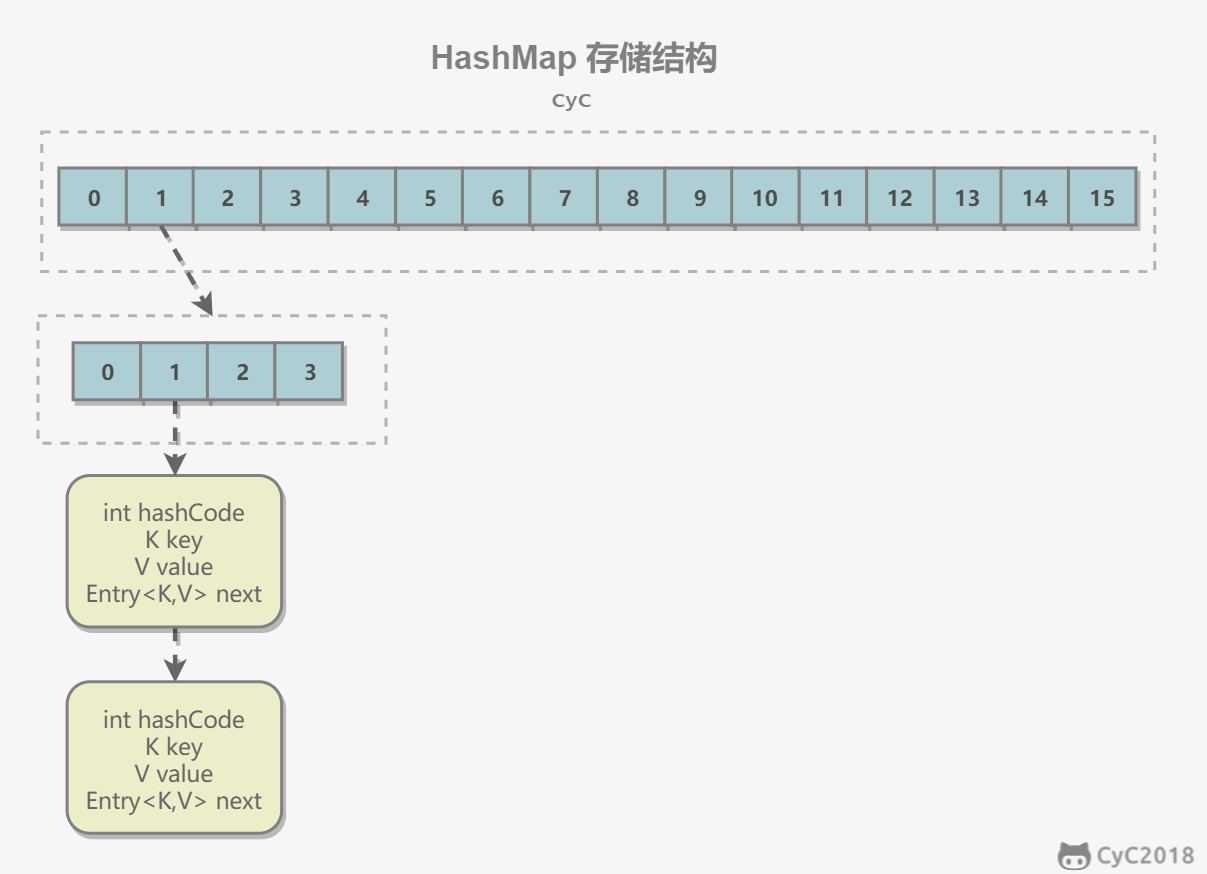
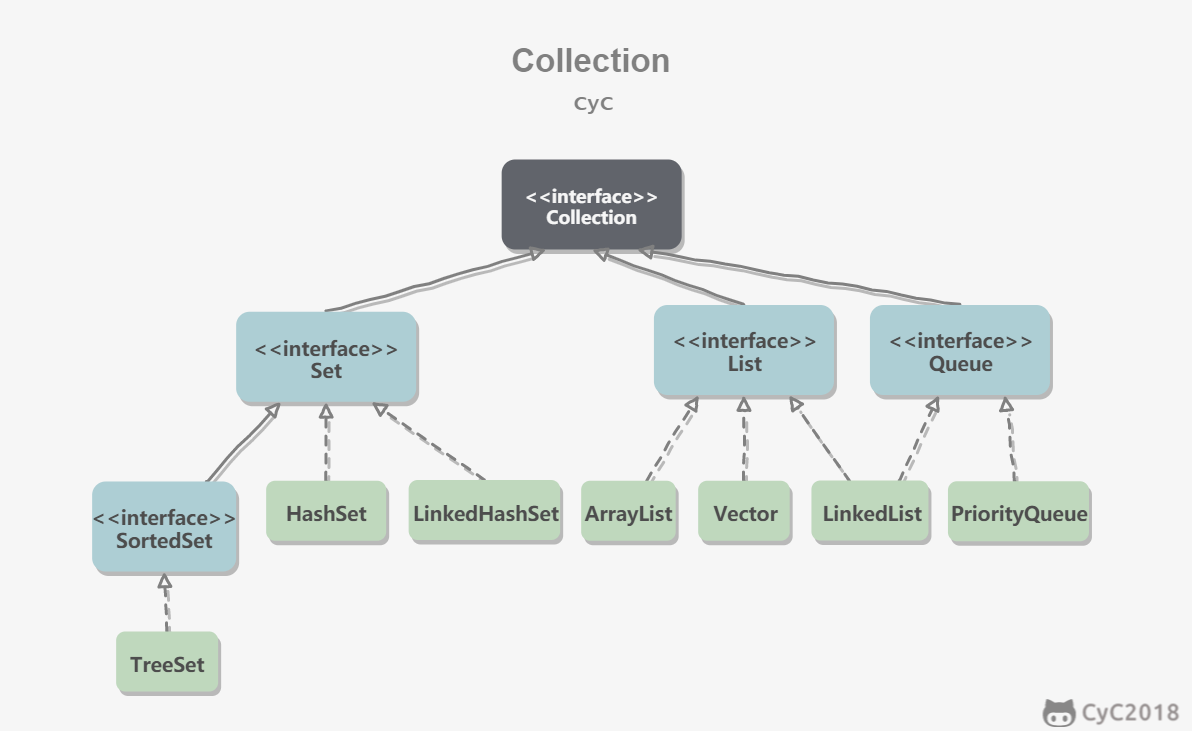
Java 容器一、概览容器主要包括 Collection 和 Map 两种,Collection 存储着对象的集合,而 Map 存储着键值对(两个对象)的映射表。 Collection单列集合 1. Set TreeSet:基于红黑树实现,支持有序性操作,例如根据一个范围查找元素的操作。但是查找效率不如 HashSet,HashSet 查找的时间复杂度为 O(1),TreeSet 则为 O(logN)。 HashSet:基于哈希表实现,支持快速查找,但不支持有序性操作。并且失去了元素的插入顺序信息,也就是说使用 Iterator 遍历 HashSet 得到的结果是不确定的。 LinkedHashSet:具有 HashSet 的查找效率,并且内部使用双向链表维护元素的插入顺序。 2. List ArrayList:基于动态数组实现,支持随机访问。 Vector:和 ArrayList 类似,但它是线程安全的。 LinkedList:基于双向链表实现,只能顺序访问,但是可以快速地在链表中间插入和删除元素。不仅如此,LinkedList 还可以用作栈、队列和双向队列。...
2022-04-18
html5-form
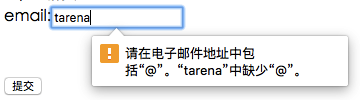
Input 新类型 类型 描述 说明 email 邮箱类型 判断当前字符串中是否包含@符号 search 搜索类型 url 网址类型 判断当前字符串中是否包含http:// number 数字类型 tel 电话号码类型 只在移动端浏览器有效 range 范围类型 适用于应该包含某个范围内数值的输入字段 color 颜色类型 date 日期类型 按照 ISO 8601 编码的日期(包括年,月,日) month 月份类型 由 ISO 8601 编码的年和月组成的日期 week 星期类型 由 ISO 8601 编码的年和星期数组成的日期 下述示例代码使用了 HTML5 提供的表单 2.0 中的 input 类型: 1234567891011<form> Email:<input type="email"><br> 搜索:<input type="search"><br> URL地址:<input type="url&...
2021-04-07
22 二进制数组
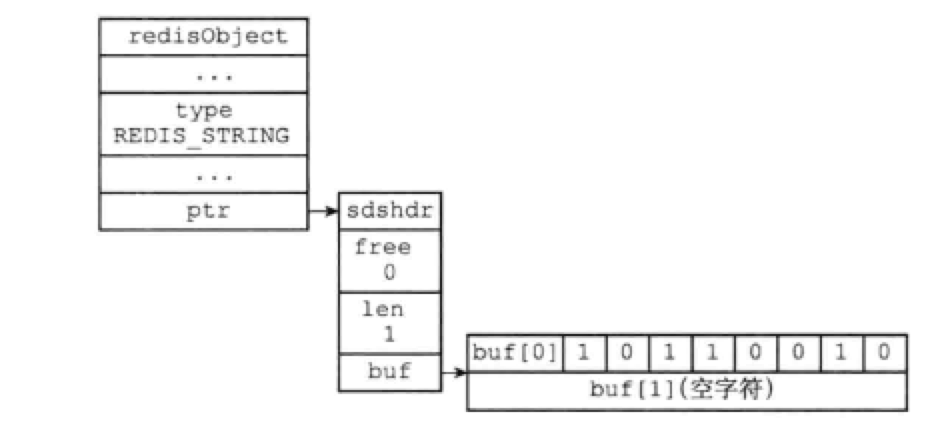
Redis提供了SETBIT、GETBIT、BITCOUNT、BITOP四个命令用于处理二进制位数组。 SETBIT,为位数组指定偏移量上的二进制位设置值0或1。 GETBIT,获取位数组指定偏移量上的二进制位的值。 BITCOUNT,统计位数组中1的个数。 BITOP,既可以对多个位数组进行按位与、按位或、按位异或运算,也可以对给定位数组取反。 22.1 位数组的表示Redis使用字符串来表示位数组,并使用SDS结构的操作函数来处理位数组。 redisObject.type的值为REDIS_STRING,表示字符串对象。 sdshdr.len值为1,表示这个SDS保存了一个一字节长的位数组。 buf数组的buf[0]字节保存了一个一字节长的位数组。 buf数组的buf[1]字节保存了SDS程序自动追加到值的末尾的’\0’。 22.2 GETBIT命令的实现 GETBIT 用于返回位数组bitarray在offset偏移量上的二进制位的值: 计算 byte = (offset / 8),byte记录了offset偏移量指定的二进制保存在位数组的哪个字节。 计算 ...