05 Spring5日志&测试
框架新功能
- 基于java8,兼容jdk9
本质上,Spring容器的管理有三种主要的方式
- xml配置方式,能够通过xml声明bean,并且注入bean的属性
- 注解方式,通过@Bean@Component创建bean,通过@Autowire注入bean
- 函数方式,同构register函数讲普通的java对象注册为bean,通过context.getBean获取
日志功能
自带了通用的日志封装。可以整合第三方日志工具log4j&slf4j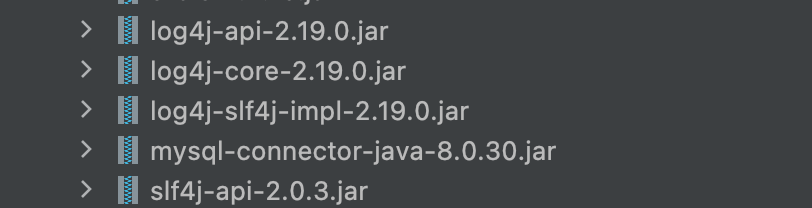
- slf4j是中间层
- log4j是日志引擎,实现了slf4j提供的接口。可以配合使用
1 |
|
@Nullable
- 在属性上,属性值可以为空
- 在方法上,返回值可以为空
- 在参数中,方法参数可以为空
支持函数式风格
- GenericApplicationContext能将普通的Java对象注册为Bean对象
- context.getBean(“com.ykl.entity.Account”,Account.class);能够根据类型进行对象的装载获取
- Account account2 = context.getBean(“user1”,Account.class);能够根据id进行对象的装载获取。
1 | //函数式风格创建对象,交给对象进行管理 |
支持JUnit5
支持JUnit4
- 引入Spring中针对测试的相关依赖。Spring-test
- 编写测试代码,添加Test支持,加载context
1 | @RunWith(SpringJUnit4ClassRunner.class) |
支持Junit5的Jar包
- 引入junit5的jar包
- 使用新的测试注解进行测试@Extended(SpringExtended.class)
- 使用复合注解替代两个注解@SpringJunitContext()
https://estom.github.io/2022/10/14/Spring/Spring5/05%20Spring5%E6%97%A5%E5%BF%97&%E6%B5%8B%E8%AF%95/
本博客所有文章除特别声明外,均采用 CC BY-NC-SA 4.0 许可协议。转载请注明来源 Estom的博客!
相关推荐
2020-09-27
6.支持向量机
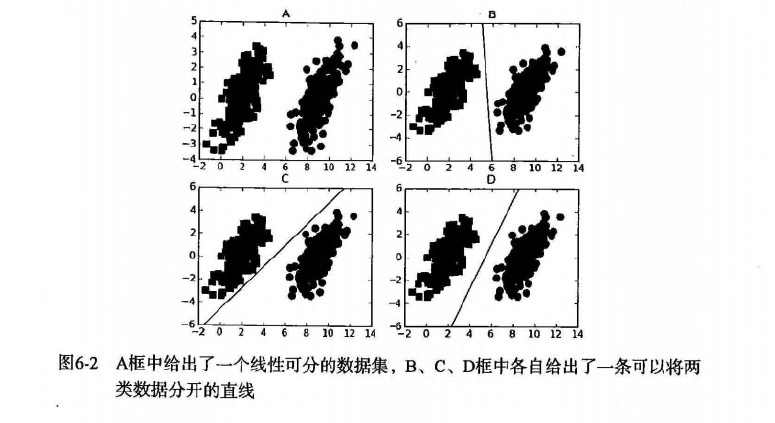
第6章 支持向量机1 支持向量机 概述支持向量机(Support Vector Machines, SVM): 是一种监督学习算法。 支持向量(Support Vector)就是离分隔超平面最近的那些点。 机(Machine)就是表示一种算法,而不是表示机器。 2 支持向量机 场景 要给左右两边的点进行分类 明显发现: 选择D会比B、C分隔的效果要好很多。 3 支持向量机 原理SVM 工作原理 对于上述的苹果和香蕉,我们想象为2种水果类型的炸弹。(保证距离最近的炸弹,距离它们最远) 寻找最大分类间距 转而通过拉格朗日函数求优化的问题 数据可以通过画一条直线就可以将它们完全分开,这组数据叫线性可分(linearly separable)数据,而这条分隔直线称为分隔超平面(separating hyperplane)。 如果数据集上升到1024维呢?那么需要1023维来分隔数据集,也就说需要N-1维的对象来分隔,这个对象叫做超平面(hyperlane),也就是分类的决策边界。 寻找最大间隔 点到超平面的距离 分隔超平面函数间距:$$y(x)=w^Tx+...

2021-03-08
TensorFlow-Summary&Tensorboard
tensorflow 数据可视化 tf.summary 在TensorFlow中,最常用的可视化方法有三种途径,分别为TensorFlow与OpenCv的混合编程、利用Matpltlib进行可视化、利用TensorFlow自带的可视化工具TensorBoard进行可视化。 原理介绍tf.summary中相关的方法会输出一个含tensor的Summary protocol buffer,这是一种能够被tensorboard模块解析的结构化数据格式。 protocol buffer(protobuf)是谷歌专用的数据序列化工具。速度更快,但格式要求更严格,应用范围可能更小。 用法详解1. tf.summary.scalar用来显示标量信息: 123tf.summary.scalar(tags, values, collections=None, name=None)例如:tf.summary.scalar('mean', mean)一般在画loss,accuary时会用到这个函数。 参数说明: name:生成节点的名字,也会作为TensorBoard中的...

2021-09-02
io
概述IO是操作系统的基础概念,是对输入输出设备的抽象。Go语言的io库对这些功能进行了抽象,通过统一的接口对输入输出设备进行操作。 ReaderReader对象是对输入设备的抽象,一个Reader可以绑定到一个输入对象,并在这个输入设备上读取数据,其声明如下: 123type Reader interface { Read(p []byte) (n int, err error)} 除了基础的Reader类之外,io包中还有LimitReader,MultiReader和TeeReader。其中LimitReader只读取指定长度的数据;MultiReader用于聚合多个Reader,并依次进行读取;TeeReader将一个输入绑定到一个输出。具体声明如下: 12345func LimitReader(r Reader, n int64) Readerfunc MultiReader(readers ...Reader) Readerfunc TeeReader(r Reader, w Writer) Reader 这些衍生Reader都以包装的方式进行...

2020-10-09
08神经网络原理
非线性假设 当特征很多时,如果包含各种高阶项,特征空间会爆炸。 在非线性空间中,使用逻辑回归进行分类,会导致特征空间过多。 神经网络相关术语 input layer输入层 output layer输出层 bias unit 偏置单元 sigmod、logistic activation function激活函数 $\theta$模型参数=模型权重 模型展示 神经网络本身是机器学习的一个假设函数。 使用数学计算能够表示神经网络的计算过程。即计算给定输入后,计算神经网络的输出值。 使用向量化的计算方法,计算神经网络的前向传播过程。 实例 使用神经网络表示逻辑运算。 sigmod算子。+-10,+-20 计算向量化 普通计算向量化 多组数据矩阵化 使用向量,来表示计算过程。使用矩阵来表示多组数据的计算过程。 在线性回归和逻辑回归当中,多组输入向量,乘,固定的参数向量,等于,输出向量。 在神经网络中,一组输入向量,乘,多组参数向量,等于,输出向量。 下标用来表示矩阵和向量中的元素位置。上标表示迭代的代数。 编程任务:使用神经网络进行多元分类 寻找图片的数据集...

2021-03-20
16
1.15. 等式回归校验者: @STAN,废柴0.1翻译者: @Damon IsotonicRegression 类对数据进行非降函数拟合. 它解决了如下的问题: 最小化 服从于 其中每一个 是 strictly 正数而且每个 是任意实 数. 它生成一个由平方误差接近的不减元素组成的向量.实际上这一些元素形成 一个分段线性的函数.

2020-09-26
whats_new_98_4_legend
0.98.4版本图例新特性创建图例并使用阴影和长方体对其进行调整。 1234567891011121314import matplotlib.pyplot as pltimport numpy as npax = plt.subplot(111)t1 = np.arange(0.0, 1.0, 0.01)for n in [1, 2, 3, 4]: plt.plot(t1, t1**n, label="n=%d"%(n,))leg = plt.legend(loc='best', ncol=2, mode="expand", shadow=True, fancybox=True)leg.get_frame().set_alpha(0.5)plt.show() 参考此示例显示了以下函数、方法、类和模块的使用: 12345import matplotlibmatplotlib.axes.Axes.legendmatplotlib.pyplot.legendmatplotlib.legend.Legendmatplo...