09 Sort
1 数组排序Arrays.sort
Java程序使用Arrays.sort()方法升序排序
1 | import java.util.Arrays; |
逆序
1 | Integer[] numbers = new Integer[] { 15, 11, 9, 55, 47, 18, 520, 1123, 366, 420 }; |
部分排序
1 | //Unsorted array |
并发排序
它将数组分解为不同的子数组,并且每个子数组在different threads使用Arrays.sort()进行排序。 最终,所有排序的子数组将合并为一个数组。
1 | Arrays.parallelSort(numbers); |
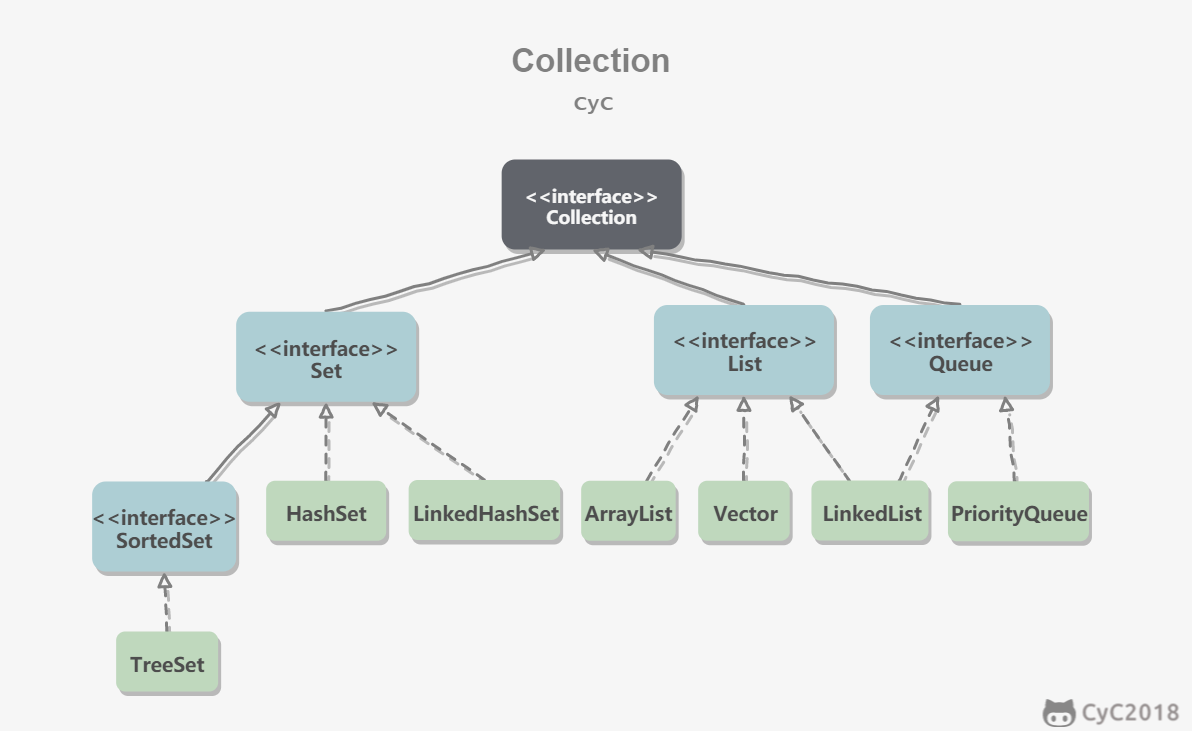
不支持集合排序。转换为列表,然后排序,然后转换为集合。
不支持map排序。获取keyset,然后排序访问。
但是treeSet和TreeMap本身都是排序好的。
2 字符串排序方法
Stream API
使用Stream.sorted() API对字符串的字符进行排序的示例。
1 | String randomString = "adcbgekhs"; |
Arrays.sort()
使用Arrays.sort()方法对字符串排序的示例。
1 | String randomString = "adcbgekhs"; |
3 ArraysList排序
自带的sort方法
1 | //Unsorted list |
Collections.sort
1 | //Unsorted list |
Stream
1 | //Unsorted list |
4 ObjectSort
将Comparable&Comparator
本博客所有文章除特别声明外,均采用 CC BY-NC-SA 4.0 许可协议。转载请注明来源 Estom的博客!
相关推荐

2020-09-26
agg_buffer
Agg缓冲区使用后端AGG以RGB字符串的形式访问地物画布,然后将其转换为数组并将其传递给Pillow进行渲染。 12345678910111213141516171819202122import numpy as npfrom matplotlib.backends.backend_agg import FigureCanvasAggimport matplotlib.pyplot as pltplt.plot([1, 2, 3])canvas = plt.get_current_fig_manager().canvasagg = canvas.switch_backends(FigureCanvasAgg)agg.draw()s, (width, height) = agg.print_to_buffer()# Convert to a NumPy array.X = np.fromstring(s, np.uint8).reshape((height, width, 4))# Pass off to PIL.from PIL import Imageim = Image....
2022-11-27
05 Java IO网络
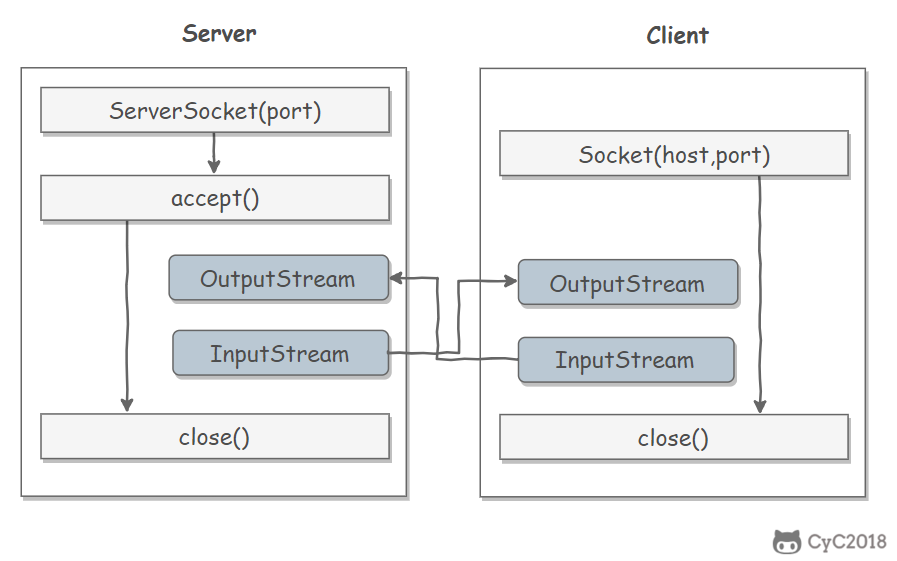
网络操作 https://blog.csdn.net/forezp/article/details/88414741 1 网络编程基础Java 中的网络支持: InetAddress:用于表示网络上的硬件资源,即 IP 地址; URL:统一资源定位符; Sockets:使用 TCP 协议实现网络通信; Datagram:使用 UDP 协议实现网络通信。 InetAddress没有公有的构造函数,只能通过静态方法来创建实例。 12InetAddress.getByName(String host);InetAddress.getByAddress(byte[] address); URL可以直接从 URL 中读取字节流数据。 1234567891011121314151617181920public static void main(String[] args) throws IOException { URL url = new URL("http://www.baidu.com"); /* 字节流 */ InputStre...
2021-03-18
5 动态规划——线性动态规划
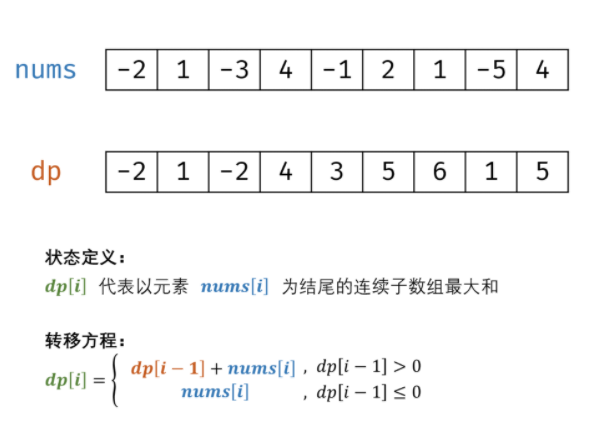
动态规划——线性动态规划 主要用来熟练动态规划的步骤 斐波那契数列 青蛙跳台阶 最大子段和 1 斐波那契数列问题描述 写一个函数,输入 n ,求斐波那契(Fibonacci)数列的第 n 项(即 F(N))。斐波那契数列的定义如下: 12F(0) = 0, F(1) = 1F(N) = F(N - 1) + F(N - 2), 其中 N > 1. 斐波那契数列由 0 和 1 开始,之后的斐波那契数就是由之前的两数相加而得出。答案需要取模 1e9+7(1000000007),如计算初始结果为:1000000008,请返回 1。 链接 问题分析问题分类 数组 动态规划+迭代 选择策略 数组 动态规划 原理: 以斐波那契数列性质f(n+1)=f(n)+f(n−1) 为转移方程。 算法设计 状态定义: 设$dp$为一维数组,其中 $dp[i]$ 的值代表 斐波那契数列第 $i$个数字 。 转移方程: $dp[i + 1] = dp[i] + dp[i - 1]$,即对应数列定义 $f(n + 1) = f(n) + f(n - ...
2019-11-07
802.11无线网络
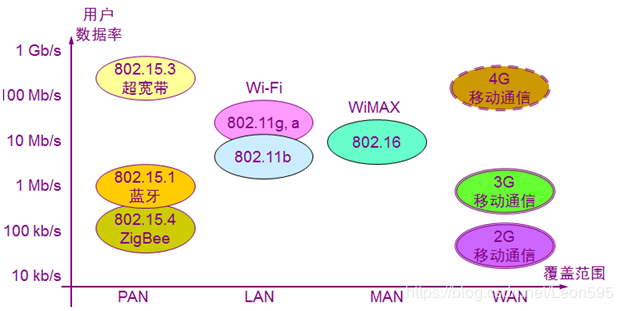
802.11 参考文献 802.11协议族 1 无线网络概述定义无线网络是利用无线电波作为信息传输的媒介所构成的网络。可以将无线网络分为:无线个人网络(PAN)、无线局域网(LAN)、无线城域网(MAN)、无线广域网(WAN)。 分类 组网示意图 AC(Access Controller,无线访问控制器):无线控制器对局域网中的FIT AP进行管理和控制,无线控制器还可以通过与认证服务器交互信息来为用户提供无线接入认证功能。 AP(Access Point,无线接入点):AP提供无线客户端到局域网的桥接功能,在无线客户端与无线局域网之间进行无线与有线之间的帧转换,AP分为FAT AP和FIT AP两种模式。 AC+FIT AP是当前部署无线网络时的主流模式。无线控制器AC集中处理所有的安全、管理和控制功能,所有配置均是在无线控制器和网桥上;FIT AP零配置,FIT AP只需要从无线控制器上注册并下载配置,提供可靠的、高性能的射频服务。 FIT AP注册方式FIT AP 与 AC有三种连接方式:直连方式、二层网络连接、跨三层网络连接。 AP与无线控制器通过二层网...
2022-10-08
02 AOP
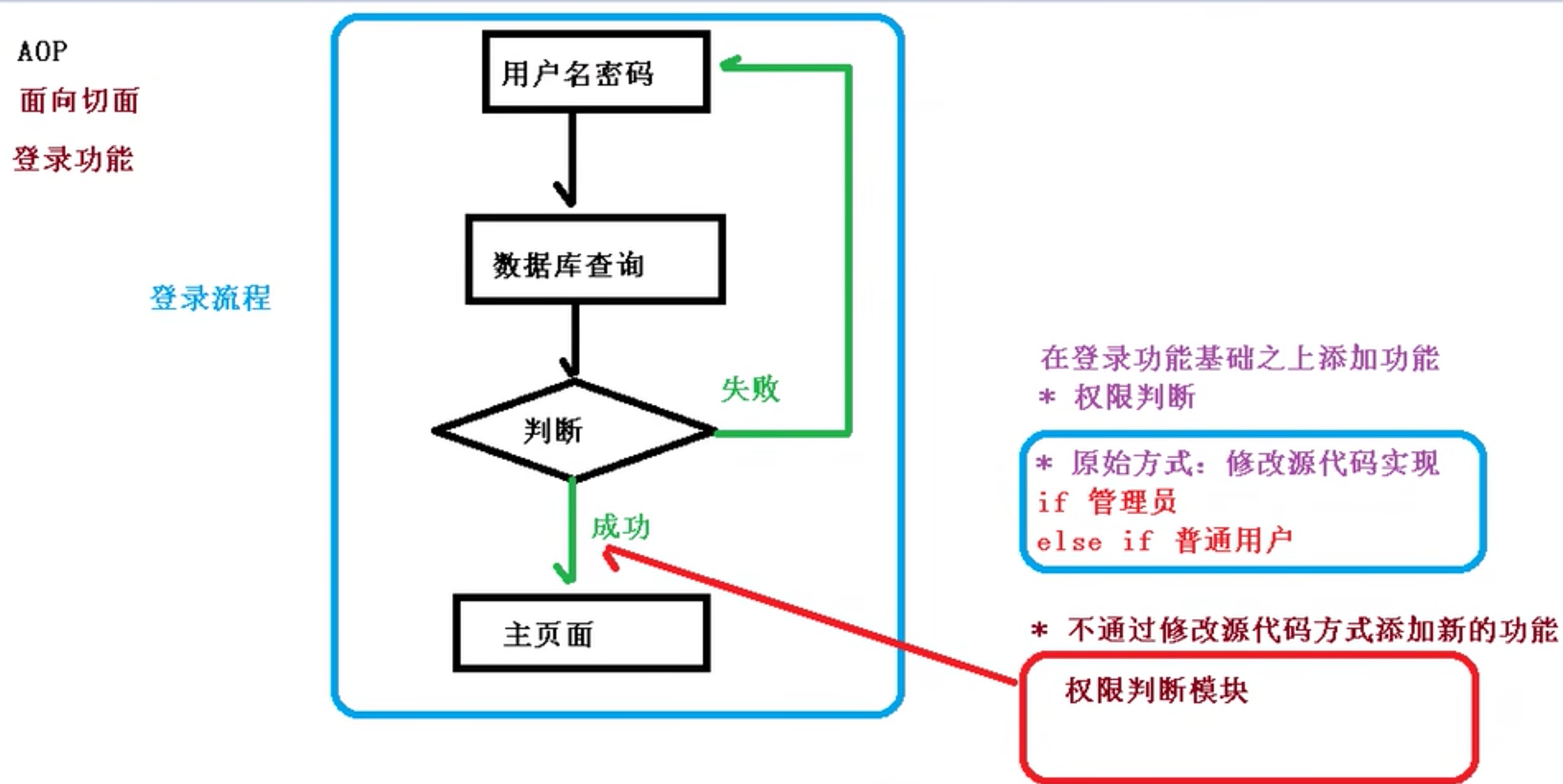
1 AOP基本概念概念面向切面编程Aspect Oriented Programming 通过 预编译方式 和 运行期间动态代理 实现程序功能的统一维护的一种技术。 AOP是OOP(面相对象编程)的延续。是函数式编程的一种衍生泛型。 利用AOP可以对业务逻辑的各个部分进行隔离。降低耦合度、提高可用性、提高开发效率 主要功能将日志记录、性能统计、安全控制、事务处理、异常处理等代码从业务逻辑代码中划分出来。 通俗描述:不通过修改源代码的方法,在主干功能里添加新功能 2 AOP底层原理动态代理的原理AOP使用动态代理实现面向切面编程 有接口情况,使用JDK动态代理 设计模式:代理模式。创建接口实现类代理对象,增强类的方法。 没有接口情况,使用CGLIB实现动态代理 创建子类继承原来的类。 创建当前类子类的代理对象,增强类中的方法。 动态代理的实现 JDK 动态代理的实现。使用java.lang.reflect.Proxy,通过反射原理实现动态代理。 第一个参数:类加载器 第二个参数:被代理的接口 第三个参数:增强方法的逻辑,实现接口 12static O...
2020-10-24
01深度学习的实用层面
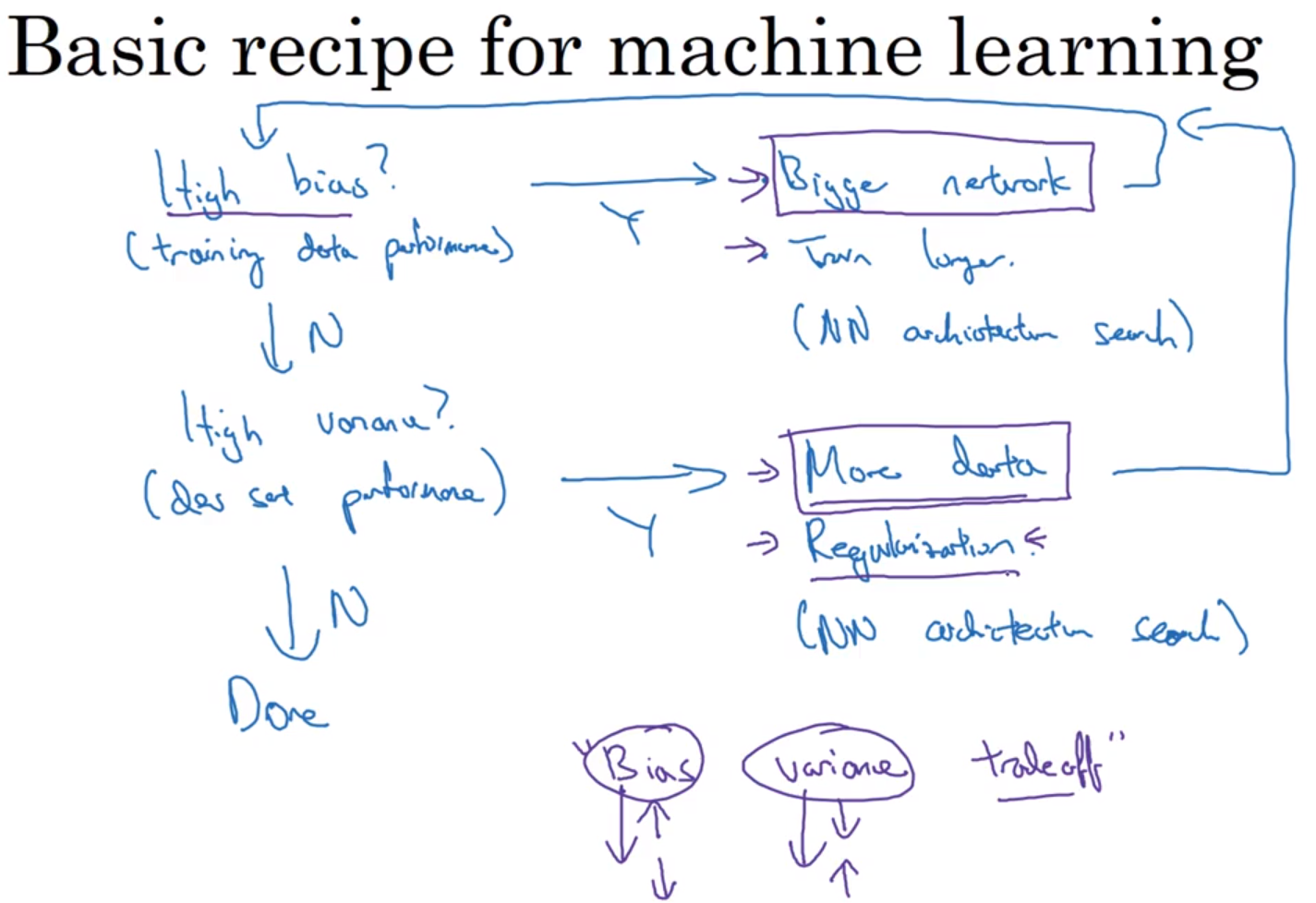
# 深度学习的实用层面 > * [笔记模板](https://github.com/bighuang624/Andrew-Ng-Deep-Learning-notes) > * 相关的笔记都可以在github上先找到相关的笔记然后再修改,方便。 ## 数据划分:训练 / 验证 / 测试集 * 应用深度学习是一个典型的迭代过程。 * `->idea -> code -> employment->` * 对于一个需要解决的问题的样本数据,在建立模型的过程中,数据会被划分为以下几个部分: * 训练集(train set):用训练集对算法或模型进行**训练**过程; * 验证集(development set):利用验证集(又称为简单交叉验证集,hold-out cross validation set)进行**交叉验证**,**选择出最好的模型**; * 测试集(test set):最后利用测试集对模型进行测试,**获取模型运行的无偏估计**(对学习方法进行评估)。 * 在**小数据量**的时代,如 100、1000、10000 的数据量大小,可以将数据集...